
Description
Description
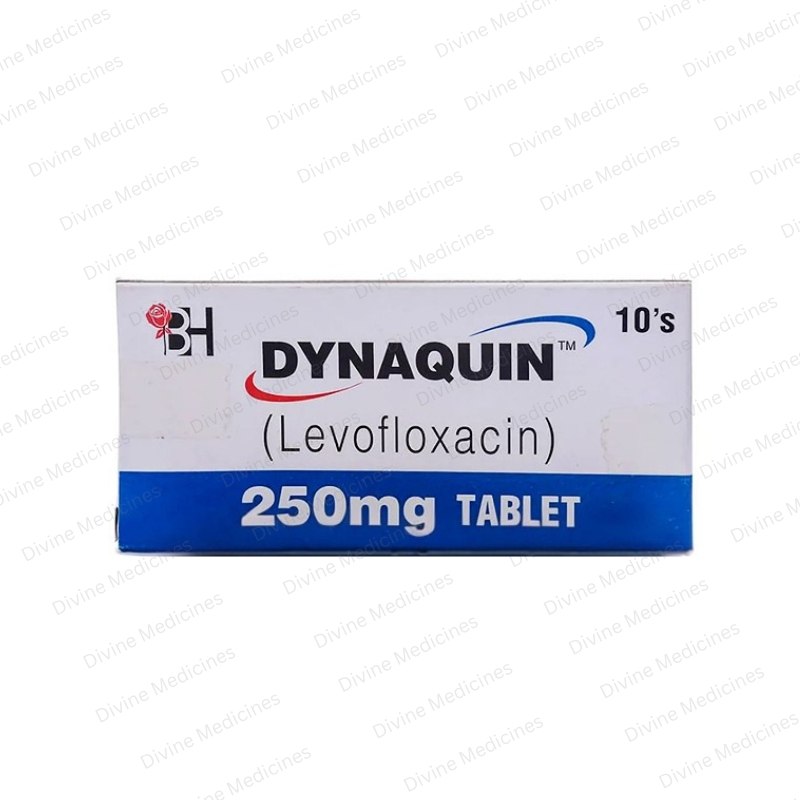
Dynaquin (250Mg) 10 Tablets is a pharmaceutical product from Barrett Hodgson Pakistan, supplied in the strength and pack configuration shown in this listing. This page is written to help customers understand the product, its active ingredient, dosage form, common uses, administration considerations, possible side effects, and storage requirements. The exact strength and formulation should always be checked before use because the same brand can be available in different presentations.
Ingredients
The main active ingredient or formula in Dynaquin (250Mg) 10 Tablets is Levofloxacin Hemihydrate, present at a strength of 250mg per tablet. The finished dosage form may also contain inactive pharmaceutical excipients used to provide stability, consistency, coating, preservation, or other formulation characteristics. For the complete quantitative composition, refer to the current manufacturer’s pack or leaflet.
Dosage Form
Dynaquin (250Mg) 10 Tablets is supplied as an oral tablet. The strength and pack size displayed on this page should be matched with the product packaging before administration. Do not substitute another strength or dosage form unless advised by a qualified healthcare professional.
Uses
Dynaquin (250mg) is commonly used to treat bacterial infections such as acute bacterial sinusitis, community-acquired pneumonia, skin and soft tissue infections, and uncomplicated urinary tract infections like cystitis.. The appropriate indication, dose, treatment duration, and suitability depend on the individual clinical situation and the product’s current information. Use the medicine only for its stated purpose.
How to use
Dynaquin (250mg) is generally taken once daily, with a sufficient amount of water, and can be taken with or without food. It should be swallowed whole and not crushed or chewed.
Side Effects
Dynaquin (250mg) may cause side effects such as nausea, diarrhea, headache, or dizziness. Some individuals may also experience mild digestive discomfort or difficulty sleeping during treatment. Contact a healthcare professional if an unwanted effect is severe, persistent, unexpected, or concerning. Urgent assessment is appropriate for signs of a serious allergic reaction or another severe reaction.
Pregnancy & Breastfeeding
Dynaquin (250mg) should only be used during pregnancy if a doctor determines it is clearly necessary, as fluoroquinolone antibiotics may carry potential risks to the developing baby.
Storage Instructions
Store Dynaquin tablets below 30°C, in a cool, dry place protected from sunlight and moisture. Keep the tablets in their original packaging until ready for use, and store them safely out of the reach of children.
FAQS
What is Dynaquin (250Mg) 10 Tablets?
Dynaquin (250Mg) 10 Tablets is a Barrett Hodgson product supplied in the strength and dosage form shown in this listing. Its specific use depends on the active ingredient and labeled indication.
What is Dynaquin (250Mg) 10 Tablets used for?
Dynaquin (250mg) is commonly used to treat bacterial infections such as acute bacterial sinusitis, community-acquired pneumonia, skin and soft tissue infections, and uncomplicated urinary tract infections like cystitis.. The exact treatment plan should be determined from the product information and professional assessment.
How should Dynaquin (250Mg) 10 Tablets be used?
Use the product according to its current package information and the instructions provided by your doctor or pharmacist. Do not change the dose, frequency, or duration independently.
What should I check before using Dynaquin (250Mg) 10 Tablets?
Check the product name, strength, dosage form, expiry date, ingredient information, and warnings on the pack. Tell your healthcare professional about other medicines, allergies, pregnancy, breastfeeding, and relevant medical conditions.
Disclaimer
Always use this medicine strictly according to your doctor’s instructions and prescribed dosage.




Reviews
There are no reviews yet.