STOMACH & DIGESTION
A common stomach bacterium behind many ulcers. How to test for it, what a positive result means, and how treatment works.
✓ Reviewed by Arhum Nadeem, Pharm-D · ✓ Based on NHS and NICE guidance · ✓ 3–4 hr delivery in Lahore

Medically reviewed by Arhum Nadeem, Pharm-D (8 years’ experience as a pharmacist) · Last reviewed: 18 October 2026
H pylori (Helicobacter pylori) is a bacterium that lives in the stomach lining. It infects more than half of adults in Pakistan, often from childhood, and most people never have symptoms. In some people it causes gastritis and stomach or duodenal ulcers, with burning upper-tummy pain, bloating and indigestion. It is diagnosed with a stool antigen test or urea breath test, and treated with a 14-day course of an acid-reducing medicine plus two antibiotics, prescribed by a doctor. A repeat test at least 4 weeks after treatment confirms it has gone.
At a glance
Helicobacter pylori is a spiral-shaped bacterium that survives in the acidic stomach by burrowing into the protective mucus layer. It spreads through contaminated food and water and from person to person, which is why it is so common where clean water is limited. Over years it can inflame the stomach lining (gastritis), weaken it and lead to peptic ulcers. Long-term infection also slightly raises the risk of stomach cancer, which is one reason doctors treat it once it’s found.
Most infected people have no symptoms. When it causes gastritis or an ulcer, symptoms include:
These symptoms overlap with acid reflux and simple indigestion. See our guide to acid reflux and stomach ulcer symptoms and bloating and stomach gas.
| Test | How it’s done | Best for | Notes |
|---|---|---|---|
| Stool antigen test | Small stool sample at the lab | Diagnosis and confirming cure | Accurate, affordable and widely available in Pakistan |
| Urea breath test | Drink a solution, then breathe into a bag | Diagnosis and confirming cure | Very accurate; available at larger labs and hospitals |
| Blood antibody test | Blood sample | Shows past or present exposure | Can stay positive after cure, so it isn’t recommended to confirm active infection or cure |
| Endoscopy with biopsy | Camera into the stomach | People with red-flag symptoms or over 55 with new symptoms | Also checks for ulcers and other problems |
A positive stool antigen or breath test means the bacteria are present in your stomach now. Your doctor will usually recommend treatment. A positive blood antibody test only means you have been exposed at some point; it doesn’t prove a current infection.
Treatment combines an acid-reducing proton pump inhibitor (PPI) with two antibiotics, usually taken twice a day for 14 days. Doctors in Pakistan choose the combination based on local antibiotic resistance and what you have taken before. Common components include:
| Medicine type | Examples | Role |
|---|---|---|
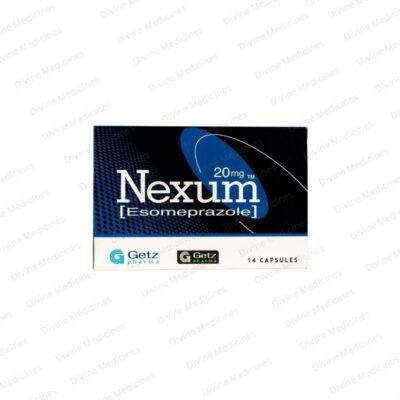
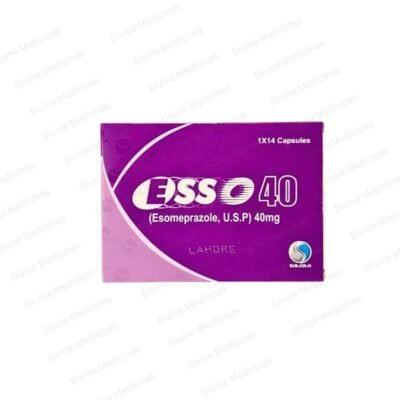
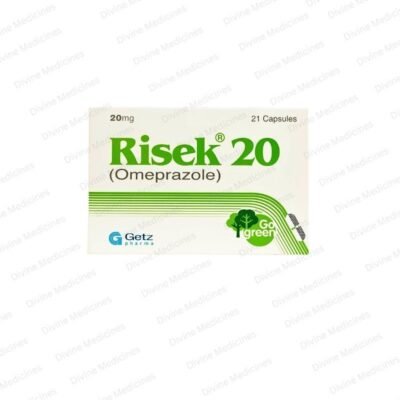
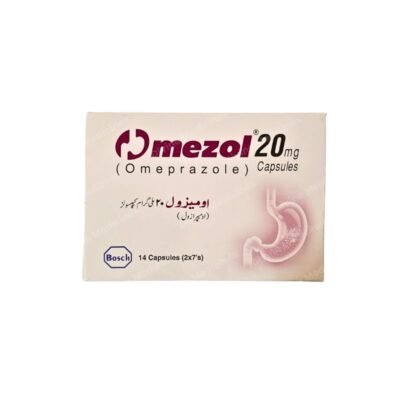
| Proton pump inhibitor | Nexum or Esso (esomeprazole), Risek or Omezol (omeprazole) | Reduces acid so antibiotics work and the lining heals |
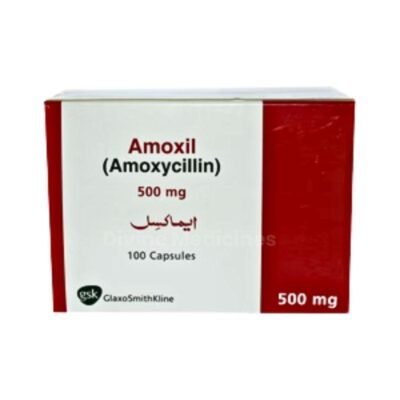
| Antibiotic | Amoxil (amoxicillin) | Kills the bacteria; avoided in penicillin allergy |
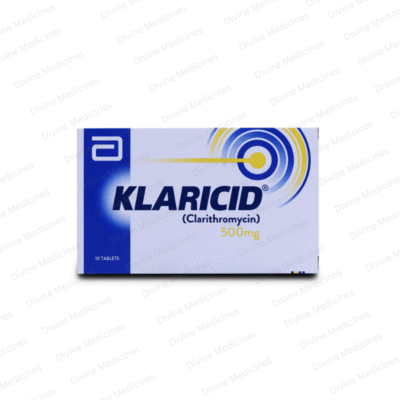
| Antibiotic | Klaricid (clarithromycin), or metronidazole or levofloxacin | Second antibiotic chosen by your doctor |
| Bismuth-based regimens | Quadruple therapy | Used when first treatment fails or resistance is likely |
These are prescription medicines. Never put together your own combination or take a shorter course, as this breeds resistance and makes the infection harder to treat.
Pharmacist’s tip
If your doctor has prescribed an H. pylori kit, set two phone alarms a day for the full 14 days. Missed doses in the second week are one of the most common reasons the infection is still there at the re-test.
Do a stool antigen or breath test at least 4 weeks after finishing the antibiotics, and at least 2 weeks after stopping the PPI. If it is still positive, your doctor will choose a different combination. Re-infection is possible, so wash hands before eating and drink safe water.
A stool antigen test usually costs much less than a urea breath test at most Lahore labs. Prices vary by lab, so check before booking, and ask your doctor which test is right for you.
Ordering from Divine Medicines in Lahore
Questions before you buy? Message our pharmacist on WhatsApp, or read How to Buy Medicines Online in Lahore Safely.
Go to hospital straight away if you have:
See a doctor soon if you have unexplained weight loss, difficulty or pain swallowing, persistent vomiting, iron-deficiency anaemia, or new indigestion after age 55.
A positive stool or breath test means the bacteria are in your stomach now, and your doctor will usually treat it. A positive blood test only shows past exposure.
Yes. A correctly taken 14-day course clears it in most people. A re-test at least 4 weeks later confirms success.
It spreads through contaminated food and water and close contact, often within families. Good hand hygiene and safe water reduce the risk.
It’s best to stop PPIs such as omeprazole or esomeprazole for 2 weeks before a stool or breath test, if your doctor agrees, to avoid a false negative.
No food cures it, but limiting spicy food, coffee, alcohol and smoking can ease symptoms while the medicines work.
This article is for general information and does not replace advice from your doctor or pharmacist. Always read the pack leaflet and follow the dose on the label or prescription.

Your trusted destination for medicines and healthcare essentials, with convenient online ordering and doorstep delivery across Lahore.
Welcome Back 👋
Sign in to access your account and continue where you left off.
Welcome To Divine Medicines🚀
Create your account to access everything you need.
 Your cart is empty
 |
 |
 |

Questions & Comments
Have a question about this article? Ask below and our team will reply.
No comments yet. Be the first to ask a question.