MEDICINE SAFETY
Which antibiotics are blocked by antacids like Gaviscon and Mucaine, how many hours to leave between them, and what to do about stomach upset.
Medically reviewed by Arhum Nadeem, Pharm-D (8 years’ experience as a pharmacist) · Last reviewed: 30 October 2026
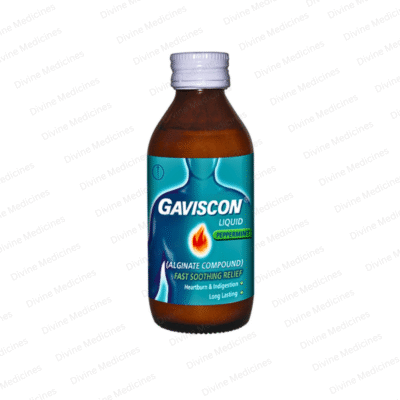
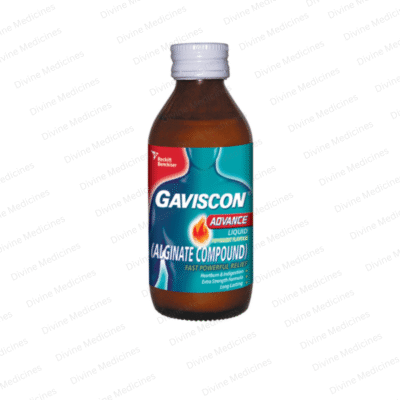
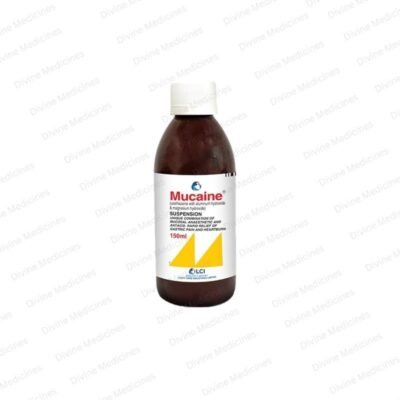
Some antibiotics should not be taken at the same time as antacids. Antacids containing aluminium, magnesium or calcium (such as Gaviscon, Mucaine and many syrups) bind to ciprofloxacin, levofloxacin, moxifloxacin, doxycycline and tetracycline in the stomach, so much less antibiotic reaches the blood and the infection may not clear. Take these antibiotics at least 2 hours before, or 4 to 6 hours after, an antacid, and follow the leaflet. Common antibiotics like amoxicillin, Augmentin, cefixime and metronidazole are not significantly affected, but it is still sensible to space them out.
Antacids neutralise stomach acid using minerals such as aluminium hydroxide, magnesium hydroxide and calcium carbonate. Certain antibiotics latch on to these minerals in the gut (a process called chelation) and form a compound the body cannot absorb. The result is a lower dose reaching the infection, which can mean the antibiotic doesn’t work properly and bacteria become resistant.
| Antibiotic (common brands) | Interaction with antacids | What to do |
|---|---|---|
| Ciprofloxacin (Ciproxin), levofloxacin, moxifloxacin | Major. Absorption can fall sharply. | Take 2 hours before or 6 hours after antacids, iron, zinc or calcium. |
| Doxycycline, tetracycline, minocycline | Major. Also reduced by milk and dairy. | Take 2 to 3 hours apart from antacids, dairy and mineral supplements. |
| Azithromycin | Minor; antacids lower the peak level. | Spacing by 2 hours is a simple precaution. |
| Cefuroxime, cefpodoxime | Absorption is lower when stomach acid is reduced. | Take with food and ask your pharmacist if you use antacids or PPIs regularly. |
| Amoxicillin, Augmentin, cefixime, cephradine (Velosef), metronidazole (Flagyl) | No significant interaction. | Can usually be taken without special timing. |
The same binding problem happens with iron tablets, zinc, calcium, magnesium and multivitamins, so space these out from quinolone and tetracycline antibiotics too.
From the pharmacy counter
Here’s a situation that’s easy to miss: ciprofloxacin twice a day for a urine infection, plus a calcium or multivitamin tablet with breakfast. The mineral blocks the antibiotic and the infection lingers. If you take any mineral supplement, ask us to help plan the timing with your antibiotic.
Example day on ciprofloxacin twice daily: cipro at 8 am and 8 pm, antacid at 2 pm or before bed, and any calcium or iron tablet at lunchtime. Always check your antibiotic’s leaflet, because exact advice differs between medicines.
Proton pump inhibitors such as omeprazole (Risek) and esomeprazole reduce acid production rather than binding the antibiotic, so they don’t cause chelation. They can lower absorption of a few antibiotics that need acid, such as cefuroxime and cefpodoxime. PPIs are actually used together with antibiotics to treat H. pylori. See our guide to Risek 40.
Need any of these delivered?
We deliver across Lahore, usually within 3 to 4 hours, with cash on delivery, bank transfer, Easypaisa or JazzCash. Prescription medicines need a valid prescription. Not sure what you need? Send a message on WhatsApp and our pharmacist will help.
Kuch antibiotics, jaise ciprofloxacin aur doxycycline, antacid (Gaviscon, Mucaine), calcium, iron ya zinc ke saath lene se kam asar karti hain. Antibiotic antacid se kam az kam 2 ghante pehle ya 4 se 6 ghante baad lein. Amoxicillin, Augmentin aur Flagyl par khaas asar nahi hota. Shak ho to pharmacist se poochein.
For most antibiotics, yes, but space them out. With ciprofloxacin, levofloxacin or doxycycline, take the antibiotic at least 2 hours before or 4 to 6 hours after Gaviscon.
Yes. Antacids don’t significantly affect amoxicillin or Augmentin. Taking the antibiotic with food can help reduce stomach upset.
Take ciprofloxacin at least 2 hours before an antacid, or wait about 6 hours after the antacid before taking ciprofloxacin.
Avoid milk and dairy within 2 to 3 hours of doxycycline, tetracycline or ciprofloxacin. Most other antibiotics are fine with milk.
Usually yes. Omeprazole is often prescribed with antibiotics, for example for H. pylori. It can lower absorption of a few antibiotics such as cefuroxime, so check with your pharmacist.
Don’t double the next dose. Take the next antibiotic dose on time and space it from the antacid. If it happens repeatedly, the infection may not clear, so tell your doctor.
This guide is general health information, not a diagnosis. Speak to your doctor or pharmacist about your own situation, and follow the dose on your prescription or pack leaflet.

Your trusted destination for medicines and healthcare essentials, with convenient online ordering and doorstep delivery across Lahore.
Welcome Back 👋
Sign in to access your account and continue where you left off.
Welcome To Divine Medicines🚀
Create your account to access everything you need.
 Your cart is empty
 |
 |
 |