
Medically reviewed by Arhum Nadeem, Pharm-D (8 years’ experience as a pharmacist) · Last reviewed: 15 October 2026
Smog in Lahore is a thick layer of polluted air, mostly fine particles called PM2.5, that settles over the city from late October to January. It irritates the eyes, nose, throat and lungs within hours, and it is most dangerous for children, older adults, pregnant women and anyone with asthma or heart disease. The simplest protection is to check the AQI every morning, stay indoors with windows closed when it is above 150, and wear an N95 or KN95 mask whenever you go out.
Key points
- Lahore’s air reached an AQI of about 200 citywide on 13 October 2026, with one Gulberg station at 300 (Bloom Pakistan).
- In November 2025, some Lahore neighbourhoods recorded AQI readings above 1,000 (Dunya News).
- The WHO says 24-hour exposure to PM2.5 should stay below 15 µg/m³; Lahore’s smog days are many times higher (WHO 2021 guidelines).
- A cloth or surgical mask does little against PM2.5. Only a well-fitted N95 or KN95 filters most of it.
- Breathlessness, chest pain, wheezing that won’t settle, or blue lips need a doctor the same day.
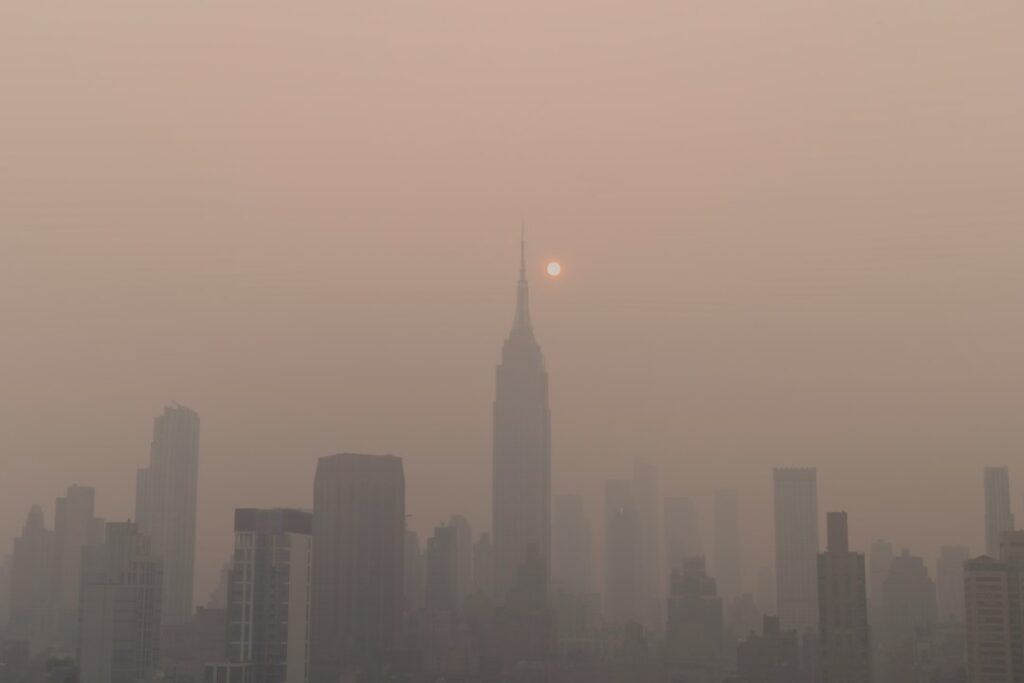
What is smog, and why does Lahore get it every winter?
Smog is smoke and fog mixed together: pollution from vehicles, factories, brick kilns and burning crop stubble, trapped close to the ground by cold, still winter air. In Lahore, low wind speeds in October and November stop the pollution from spreading out, so it builds up day after day until rain or wind clears it.
The main sources around Lahore are:
- Vehicle exhaust, especially older diesel vehicles and motorcycles
- Industrial and brick kiln emissions
- Burning of rice stubble in Punjab after the harvest
- Burning rubbish and dust from construction
What is the difference between smog and fog?
Fog is only water droplets in the air and is harmless to breathe; smog contains smoke, gases and fine dust particles that damage the lungs. Fog is usually white and clears by midday. Smog looks grey or yellowish, smells of smoke and can stay for days.
Smog meaning in Urdu
In Urdu, smog is written سموگ and is often described as دھواں دار دھند (dhuwan-daar dhund), meaning “smoky fog”.
What are the health effects of smog?
Short-term smog exposure causes irritation of the eyes, nose, throat and airways, and it can trigger asthma attacks and chest infections. Long-term exposure to polluted air is linked to heart disease, stroke, chronic lung disease and lung cancer (WHO).
Common symptoms during smog season:
- Burning, watery or red eyes
- Sore throat, dry cough or hoarse voice
- Runny or blocked nose and sneezing
- Headache and tiredness
- Tight chest, wheezing or shortness of breath
- Worsening of existing asthma, COPD or allergies
The impact on Lahore is large. In November 2024, the Pakistan Medical Association’s Lahore chapter reported that tens of thousands of patients with breathing and heart problems were treated in a few weeks (Dawn).
Who is most at risk from smog?
Children, older adults, pregnant women and people with asthma, COPD, heart disease or diabetes are most at risk, because their lungs or hearts are less able to cope with polluted air.
- Children breathe faster and spend more time outdoors, so they take in more pollution for their size.
- People with asthma or COPD can have flare-ups within hours of exposure.
- Heart patients face a higher risk of chest pain and heart problems on high-pollution days.
- Outdoor workers, such as traffic police, riders and labourers, get the longest exposure.
How to read the AQI in Lahore
The Air Quality Index (AQI) turns pollution levels into one number: the higher it is, the more dangerous the air. Check it every morning on the Punjab EPD’s air quality platform or the IQAir app before planning time outdoors.
| AQI | Level | What to do |
|---|---|---|
| 0–50 | Good | Normal activity |
| 51–100 | Moderate | Sensitive people limit long outdoor exercise |
| 101–150 | Unhealthy for sensitive groups | Children, elderly and asthma patients stay indoors more |
| 151–200 | Unhealthy | Everyone wears an N95/KN95 outdoors and avoids outdoor exercise |
| 201–300 | Very unhealthy | Stay indoors with windows closed; go out only if needed |
| 301+ | Hazardous | Avoid going out; keep medicines and inhalers ready |
A pharmacist’s smog protection checklist
- Wear the right mask. Use an N95 or KN95 that seals around the nose and chin. Replace it when it gets damp or dirty.
- Keep indoor air cleaner. Close windows and doors on high-AQI days, avoid burning anything indoors, and use an air purifier with a HEPA filter if you have one.
- Move exercise indoors. Heavy breathing outdoors pulls pollution deep into the lungs.
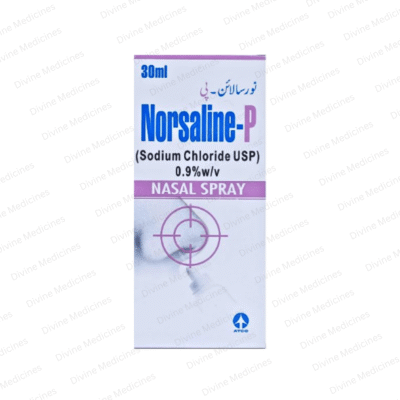
- Rinse your nose and eyes. A saline nasal spray and washing your face and eyes with clean water after coming home helps clear trapped particles.
- Drink plenty of water to keep your throat and airways moist.
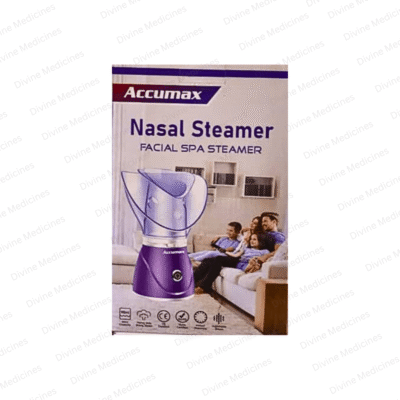
- Use steam for a blocked nose. Steam inhalation can ease congestion and throat irritation.
- Asthma and COPD patients: keep your inhaler or nebulizer medicine stocked, and ask your doctor whether your dose needs adjusting during smog season.
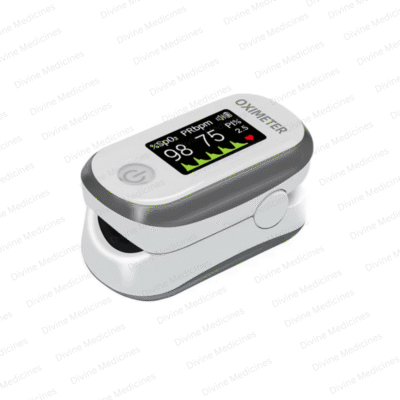
- Check oxygen levels if someone at home has lung or heart disease. A pulse oximeter gives a reading in seconds.
How to ease a smog cough and sore throat at home
Most smog-related coughs and sore throats improve within a few days of reducing exposure. Warm fluids, honey in warm water (not for babies under 1 year), steam inhalation, salt-water gargles and throat lozenges can make you more comfortable. Paracetamol can help with a headache or sore throat. Avoid taking antibiotics on your own: smog irritation is not a bacterial infection, and antibiotics will not help it.
When to see a doctor
See a doctor the same day, or go to the emergency department, if you or a family member has:
- Shortness of breath at rest or while talking
- Chest pain or tightness
- Wheezing that does not improve with the usual inhaler
- Blue or grey lips or fingertips
- An oxygen reading that stays below 94%, or lower than the person’s usual level
- A child breathing very fast, or the skin pulling in between the ribs
- A cough with fever lasting more than 3 days
Products that help during smog season
These are available from Divine Medicines with home delivery across Lahore:
- Norsaline-P Nasal Spray – saline spray to rinse the nose; Norsaline-P Nasal Drops for children.
- Accumax Nasal Streamer – for steam inhalation at home.
- Pulse Oximeter – checks oxygen level and pulse in seconds.
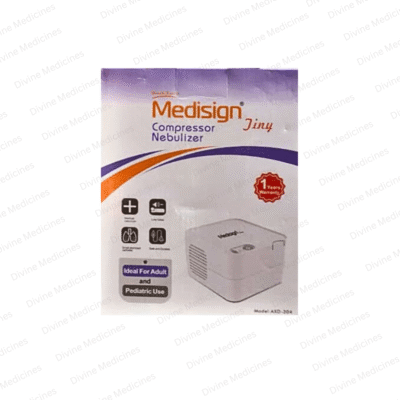
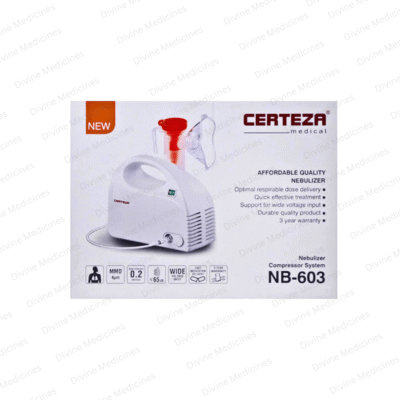
- Medisign Compressor Nebulizer and Certeza NB-603 Nebulizer – for people whose doctor has prescribed nebulized medicine.
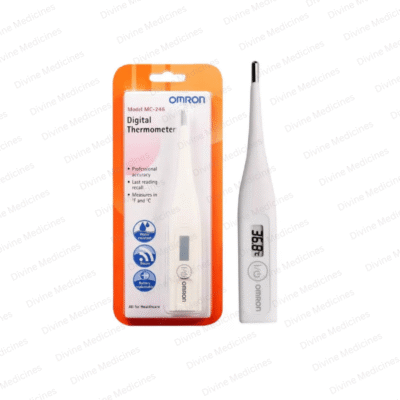
- Omron Digital Thermometer – to check for fever if a cough turns into a chest infection.
Browse all healthcare devices, or message us on WhatsApp if you’re unsure what you need.
Roman Urdu mein khulasa
Lahore mein smog (سموگ) October se January tak hota hai. Is se aankhon mein jalan, gala kharab, khansi aur saans ki takleef ho sakti hai. Roz subah AQI check karein, 150 se zyada ho to ghar ke andar rahein, bahar jaate waqt N95 mask pehnein aur pani zyada piyein. Saans phoolna, seene mein dard ya hont neele hon to foran doctor ke paas jayein.
Frequently asked questions
What are the main causes of smog in Lahore?
Vehicle exhaust, factory and brick kiln smoke, crop stubble burning in Punjab and construction dust are the main causes. Cold, still winter air then traps this pollution close to the ground.
How do I get rid of a cough caused by pollution?
Reduce exposure first: stay indoors on high-AQI days and wear an N95 mask outside. Warm fluids, honey, steam and salt-water gargles ease the cough. See a doctor if it lasts more than 2 weeks or comes with fever or breathlessness.
Which mask is best for smog?
An N95 or KN95 mask that fits tightly is best, because it filters most fine PM2.5 particles. Cloth and surgical masks let most of these particles through.
Is it safe to exercise outside during smog?
No. When the AQI is above 150, exercise indoors instead, because heavy breathing draws more pollution deep into the lungs.
Can smog affect children more than adults?
Yes. Children breathe faster and their lungs are still developing, so they take in more pollution for their body size. Keep them indoors on very unhealthy days.
When does smog season end in Lahore?
Smog usually eases in late January or February, when rain and stronger winds clear the air. Rain during the season brings short breaks.
Related guides
- Dengue Fever in Lahore: Symptoms, Home Care & When to See a Doctor
- How to Buy Medicines Online in Lahore
This article is for general information and does not replace advice from your doctor. Always follow your doctor’s instructions for any medicine.