SEASONAL HEALTH
How dengue starts, the dangerous days when the fever falls, which tests to get, safe medicines at home and when to go to hospital.
Medically reviewed by Arhum Nadeem, Pharm-D (8 years’ experience as a pharmacist) · Last reviewed: 30 October 2026
Dengue is a viral infection spread by the day-biting Aedes mosquito, and in Lahore it peaks from September to November. It starts with sudden high fever, severe body and eye pain, headache and sometimes a rash. Most people recover at home with rest, plenty of fluids and paracetamol. The dangerous time is usually days 3 to 7, often just as the fever comes down: severe tummy pain, repeated vomiting, bleeding, drowsiness or cold, clammy skin mean go to hospital immediately. Never take ibuprofen, aspirin or other painkillers like Brufen or Disprin for suspected dengue.
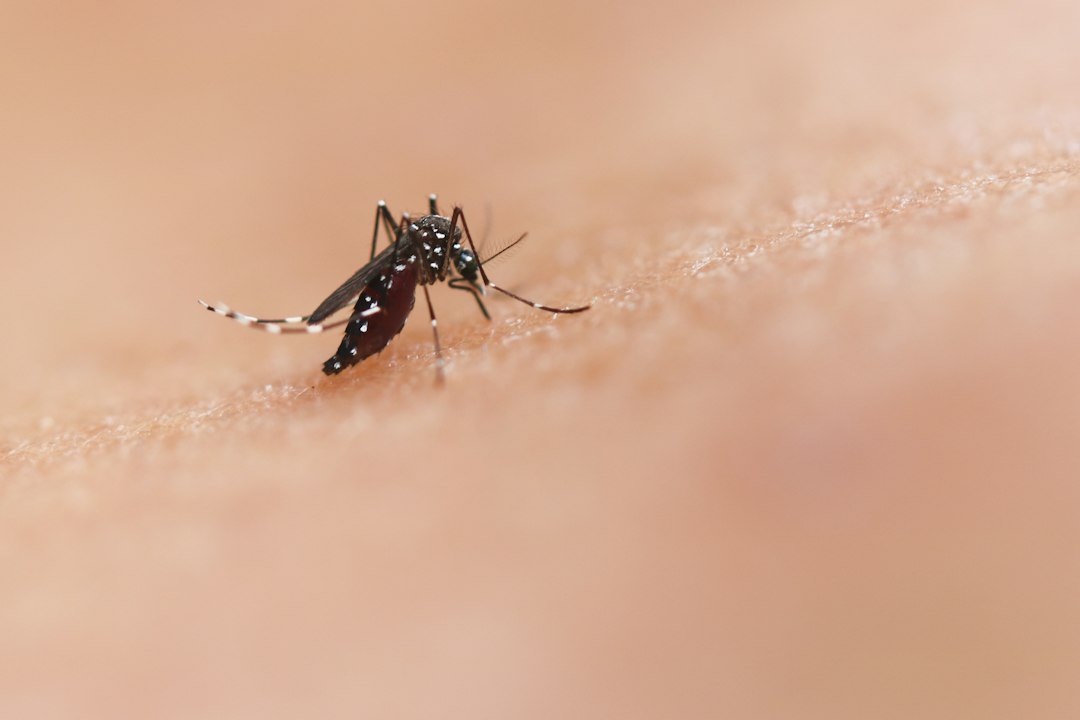
Dengue is a viral infection carried by the Aedes aegypti mosquito, which has white stripes on its legs and bites mostly in the early morning and late afternoon. It breeds in small amounts of clean, still water: flower pots, water coolers, buckets, old tyres and roof tanks. In Lahore and the rest of Punjab, cases rise after the monsoon and usually peak from September to November.
There are four types of dengue virus. Getting dengue once protects you only against that type; a second infection with a different type carries a higher risk of severe dengue.
Symptoms usually start 4 to 10 days after the bite:
Children may have milder or less typical symptoms, so any child with high fever during dengue season should be checked.
| Phase | Usual days | What happens |
|---|---|---|
| Fever (febrile) phase | Days 1–3 | High fever, body pain, headache. Drink plenty of fluids and rest. |
| Critical phase | Days 3–7, often as the fever falls | Plasma can leak from blood vessels and platelets drop. This is when warning signs appear and hospital care may be needed. |
| Recovery phase | After day 7 | Appetite returns, platelets rise, an itchy rash may appear. Tiredness can last for weeks. |
A normal platelet count is about 150,000 to 450,000 per microlitre. Platelets fall in most dengue cases and usually recover by themselves. A falling platelet count together with a rising haematocrit is the pattern doctors watch most closely. Platelet transfusions are only needed in specific situations, such as active bleeding, and your doctor will decide.
From the pharmacy counter
Papaya leaf juice is widely shared on WhatsApp for dengue. Some small studies suggest it may help platelets, but the evidence is weak and it does not replace fluids, tests or medical care. The most useful thing you can do at home is keep the patient well hydrated and watch for warning signs.
Punjab’s dengue helpline (1033) gives information and hospital referrals during the season.
Need any of these delivered?
We deliver across Lahore, usually within 3 to 4 hours, with cash on delivery, bank transfer, Easypaisa or JazzCash. Prescription medicines need a valid prescription. Not sure what you need? Send a message on WhatsApp and our pharmacist will help.
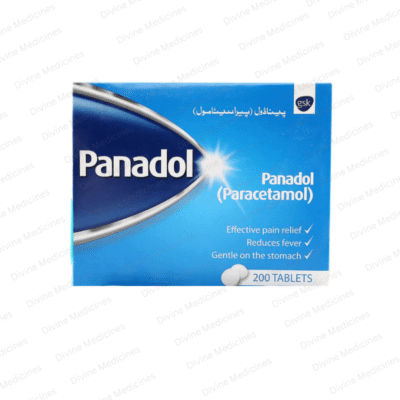
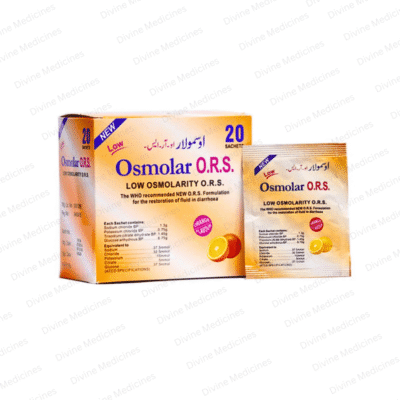
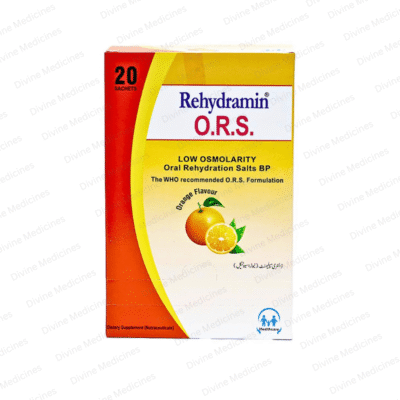
Dengue Aedes machar ke katne se hota hai. Tez bukhar, jism aur aankhon ke peeche dard aur kabhi rash hota hai. Ghar par khoob pani, ORS aur juices piyein, sirf Panadol (paracetamol) lein, Brufen ya Disprin bilkul na lein. Bukhar utarne ke baad bhi 3 se 7 din tak khayal rakhein. Pait mein shadeed dard, baar baar ulti, khoon aana ya bohat kamzori ho to foran hospital jayein.
No. Dengue does not spread from person to person. It spreads only when an Aedes mosquito bites an infected person and then bites someone else.
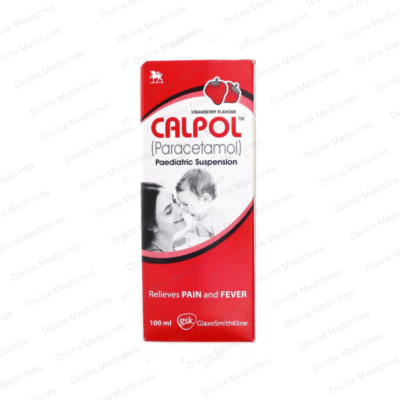
Yes. Paracetamol (Panadol, Calpol) is the safe choice for dengue fever and pain. Avoid ibuprofen, aspirin and diclofenac because they increase bleeding risk.
Platelets often fall below 100,000 in dengue. Very low counts, especially below 20,000, or any bleeding need hospital care, but doctors look at the whole picture including haematocrit and warning signs.
The NS1 antigen test confirms dengue in the first 5 days of fever. After that, dengue IgM antibody tests are used. A CBC tracks platelets and haematocrit.
The fever usually lasts 2 to 7 days and most people recover in 1 to 2 weeks. Tiredness can continue for a few weeks.
Evidence is limited. It should never replace fluids, proper tests and medical advice.
This guide is general health information, not a diagnosis. Speak to your doctor or pharmacist about your own situation, and follow the dose on your prescription or pack leaflet.

Your trusted destination for medicines and healthcare essentials, with convenient online ordering and doorstep delivery across Lahore.
Welcome Back 👋
Sign in to access your account and continue where you left off.
Welcome To Divine Medicines🚀
Create your account to access everything you need.
 Your cart is empty
 |
 |
 |