PHARMACIST-REVIEWED GUIDE · PAKISTAN
Fever with chills after the monsoon? How to recognise malaria, confirm it with a test, and get the right treatment.
✓ Reviewed by Arhum Nadeem, Pharm-D · ✓ Based on NHS & WHO guidance · ✓ 3–4 hr delivery in Lahore

Medically reviewed by Arhum Nadeem, Pharm-D (8 years’ experience as a pharmacist) · Last reviewed: 17 October 2026
The main symptoms of malaria are fever, shaking chills, sweating, headache, body aches, nausea and tiredness. They usually start 10 to 15 days after an infected mosquito bite, and the first symptoms can be mild and easy to mistake for flu. The only way to confirm malaria is a blood test, either a rapid test or a slide under a microscope. Malaria is curable with the right medicine, but it can become life-threatening within a day or two if treatment is delayed, so test early.
Key points
With some types of malaria the fever comes in cycles, every two or three days, but many people don’t show a clear pattern. Any fever in someone who lives in or has visited a malaria area should be tested.
Malaria, especially P. falciparum, can quickly turn severe. Go to a hospital immediately if there is:
Young children, pregnant women and people who have not had malaria before are at highest risk of severe illness.
Malaria is found across Pakistan, with the highest transmission in Sindh, Balochistan and the districts bordering Afghanistan and Iran. Cases usually rise after the monsoon rains, when mosquitoes breed in standing water. After the 2022 floods, Pakistan recorded more than 3.4 million suspected cases between January and August that year, according to WHO.
P. vivax is the most common type in Pakistan. It is less often fatal, but it can hide in the liver and cause relapses weeks or months later unless it is fully treated. P. falciparum is less common but causes most severe cases and deaths.
All three cause fever and are common in Pakistan, and they need different treatment. Only blood tests can tell them apart.
| Malaria | Dengue | Typhoid | |
|---|---|---|---|
| Spread by | Anopheles mosquito (bites mostly at night) | Aedes mosquito (bites mostly in daytime) | Contaminated food and water |
| Typical fever | Fever with chills and sweating, may come in cycles | Sudden high fever, severe body and eye pain | Fever that rises slowly over several days |
| Other signs | Headache, vomiting, anaemia | Rash, low platelets, bleeding gums | Stomach pain, constipation or diarrhoea |
| Test | Malaria RDT or blood slide | NS1 antigen or dengue antibody test, platelet count | Blood culture (Typhidot is less reliable) |
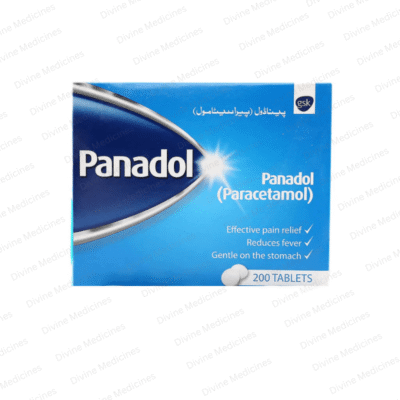
Until dengue has been ruled out, use paracetamol for fever, not ibuprofen or aspirin, because these can increase the risk of bleeding in dengue. Read our dengue guide for its warning signs.
Both are available at most labs and government health facilities. WHO recommends a confirmed test for every suspected case before treatment.
Treatment depends on the type of malaria, how severe it is, the patient’s age and weight, and whether they are pregnant. It should always be prescribed by a doctor.
Prescription antimalarials such as Artem DS Plus (artemether + lumefantrine) are available at Divine Medicines on a valid prescription. Take the full course exactly as prescribed, with food or milk, even if you feel better after a day or two.
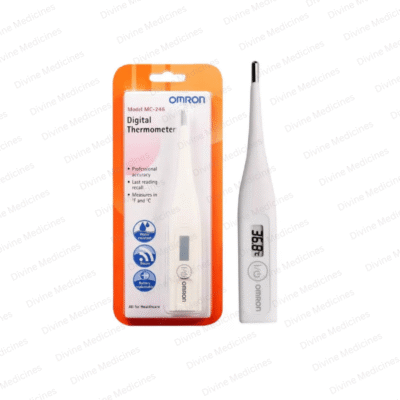
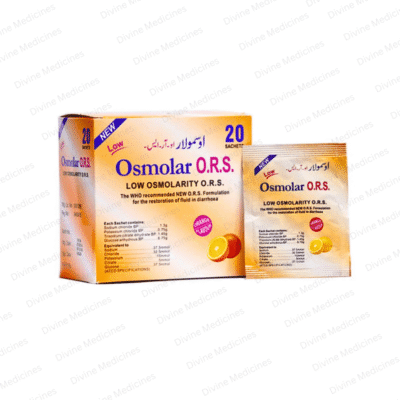
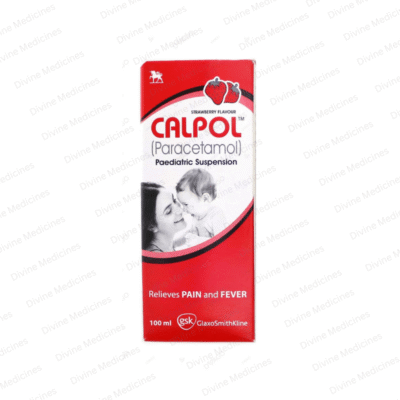
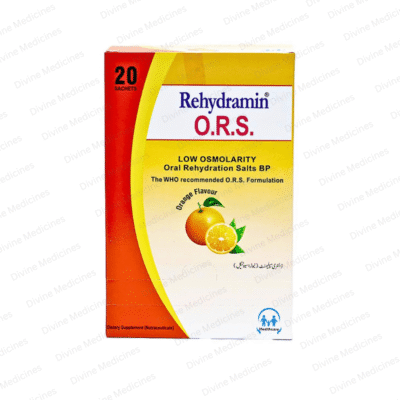
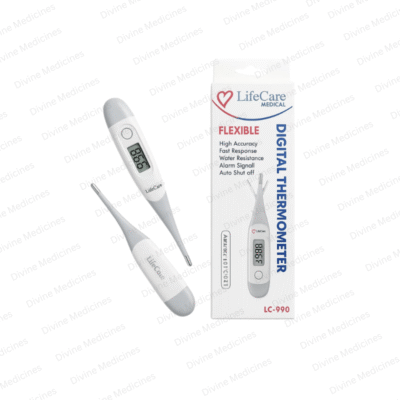
Alongside prescribed treatment, these help with recovery:
Order these with home delivery across Lahore, or message our pharmacist on WhatsApp with your prescription.
Ordering from Divine Medicines in Lahore
Questions before you buy? Message our pharmacist on WhatsApp, or read How to Buy Medicines Online in Lahore Safely.
Go to a hospital immediately for confusion, fits, yellow eyes, dark urine, breathlessness, repeated vomiting or severe weakness.
Malaria ki alamaat mein tez bukhar, kapkapi aur sardi, phir paseena, sar dard, jism mein dard aur ulti shamil hain. Yeh aam tor par machhar ke katne ke 10 se 15 din baad shuru hoti hain. Malaria ki tasdeeq sirf khoon ke test (RDT ya slide) se hoti hai, is liye bukhar ho to foran test karwayen aur baghair test ke dawai na lein. Dengue ka shak ho to sirf Panadol lein, Brufen ya Disprin nahi. Behoshi, daurey, aankhon ka peela hona ya saans ki takleef ho to foran hospital jayen.
Fever, chills, headache and body aches, often with nausea or tiredness. They usually start 10 to 15 days after the mosquito bite and can feel like flu at first.
Usually 10 to 15 days after an infected bite. With P. vivax, symptoms can appear later, and relapses can happen months afterwards.
A malaria rapid diagnostic test (RDT) or a blood smear under a microscope. The smear also shows the type of malaria and how severe the infection is.
Yes. With the right medicine taken for the full course, malaria is curable. P. vivax also needs liver-stage treatment to prevent it coming back.
Yes, paracetamol is safe for the fever and aches, but it does not treat the infection. You still need a test and prescribed antimalarial treatment.
No. Malaria spreads through mosquito bites, not through coughing, touching or sharing food. Rarely, it can pass through blood transfusion or from mother to baby.
This article is for general information and does not replace advice from your doctor or pharmacist. Always read the pack leaflet and follow the dose on the label or prescription.

Your trusted destination for medicines and healthcare essentials, with convenient online ordering and doorstep delivery across Lahore.
Welcome Back 👋
Sign in to access your account and continue where you left off.
Welcome To Divine Medicines🚀
Create your account to access everything you need.
 Your cart is empty
 |
 |
 |