PHARMACIST-REVIEWED GUIDE · PAKISTAN
What tapentadol is, when doctors use it, its side effects, the risks of addiction and slowed breathing, and how to use and store it safely.
✓ Reviewed by Arhum Nadeem, Pharm-D · ✓ Sources listed · ✓ 3–4 hr delivery in Lahore
Medically reviewed by Arhum Nadeem, Pharm-D (8 years’ experience as a pharmacist) · Last reviewed: October 2026
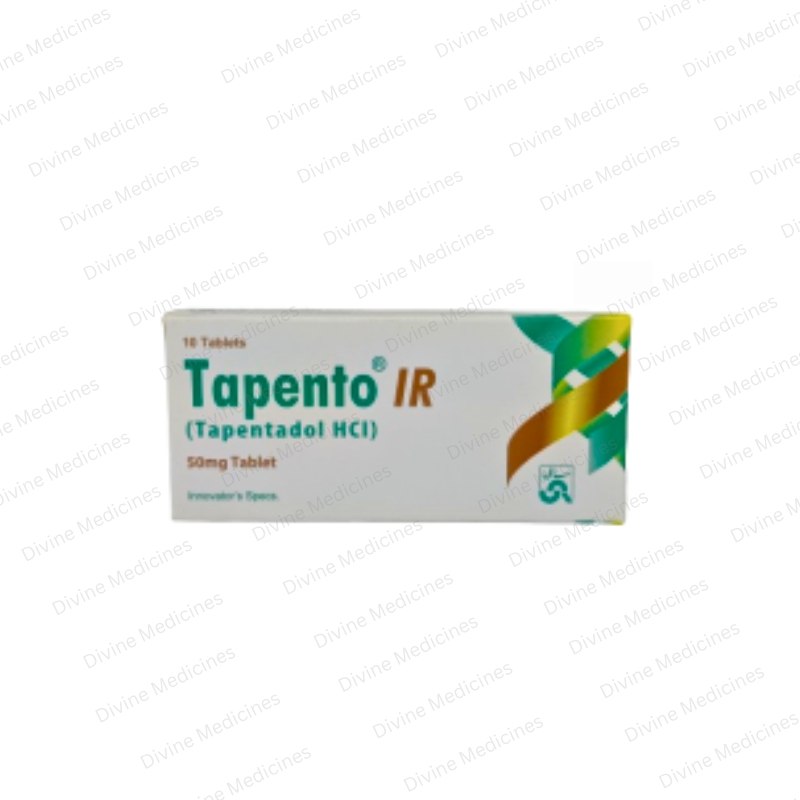
Tapento IR is a brand of tapentadol, a strong prescription painkiller from the opioid family. Doctors use it for short-term moderate to severe pain when other painkillers are not enough. Like all opioids, it can cause addiction and dangerous slowing of breathing, so it must only be used exactly as prescribed and under a doctor’s supervision.
Key points
Tapentadol works in two ways: it acts on opioid receptors in the brain and spinal cord (like morphine and tramadol), and it increases a natural pain-blocking chemical called noradrenaline. This combination makes it effective for pain.
IR means immediate release: the tablet releases the medicine quickly, so it starts working within about an hour and is taken several times a day. Extended-release tablets, used for long-term pain, release it slowly over 12 hours.
It is not for headaches, mild pain, or long-term use without regular review.
Your doctor sets the dose, how often to take it and for how many days, based on your pain and health. The label sets a maximum daily amount that must never be exceeded. Never take extra doses or take it more often than prescribed, even if pain persists; speak to your doctor instead. Check the strength printed on your pack.
Common: nausea, vomiting, dizziness, drowsiness, headache, constipation, dry mouth, itching.
Constipation is common with all opioids. Fluids, fibre and a laxative recommended by your pharmacist help. See our constipation guide.
Call 1122 immediately if someone taking tapentadol:
Do not let them “sleep it off”. Keep them on their side while waiting for help.
Tapentadol can cause drowsiness and dizziness and slow your reactions. Do not drive or operate machinery until you know how it affects you.
If you have taken tapentadol for more than a few days, stopping suddenly can cause withdrawal: anxiety, sweating, sleeplessness, aches, loose motions and goosebumps. Your doctor will reduce the dose gradually.
Opioids are generally avoided in pregnancy and breastfeeding. Long use in pregnancy can cause withdrawal in the newborn. Tell your doctor if you are pregnant, planning pregnancy or breastfeeding.
Is tapentadol stronger than tramadol? Tapentadol is generally considered stronger. Both are opioids with risks of dependence. See our tapentadol vs tramadol guide.
Can I drive while taking it? Not until you know how it affects you, and never if you feel drowsy or dizzy.
How long does it stay in the body? The immediate-release tablet works for about 4 to 6 hours. Most of the medicine leaves the body within a day, but this varies.
Is it safe in pregnancy? It is generally avoided. Speak to your doctor.
This guide is for general information and does not replace advice from your doctor. Always follow your doctor’s directions and the medicine’s pack leaflet.

Your trusted destination for medicines and healthcare essentials, with convenient online ordering and doorstep delivery across Lahore.
Welcome Back 👋
Sign in to access your account and continue where you left off.
Welcome To Divine Medicines🚀
Create your account to access everything you need.
 Your cart is empty
 |
 |
 |

Questions & Comments
Have a question about this article? Ask below and our team will reply.
No comments yet. Be the first to ask a question.