PHARMACIST-REVIEWED GUIDE · PAKISTAN
What Gabica (pregabalin) is used for, its strengths, side effects, the risk of dependence and dangerous combinations, and how to stop it safely.
✓ Reviewed by Arhum Nadeem, Pharm-D · ✓ Sources listed · ✓ 3–4 hr delivery in Lahore
Medically reviewed by Arhum Nadeem, Pharm-D (8 years’ experience as a pharmacist) · Last reviewed: October 2026
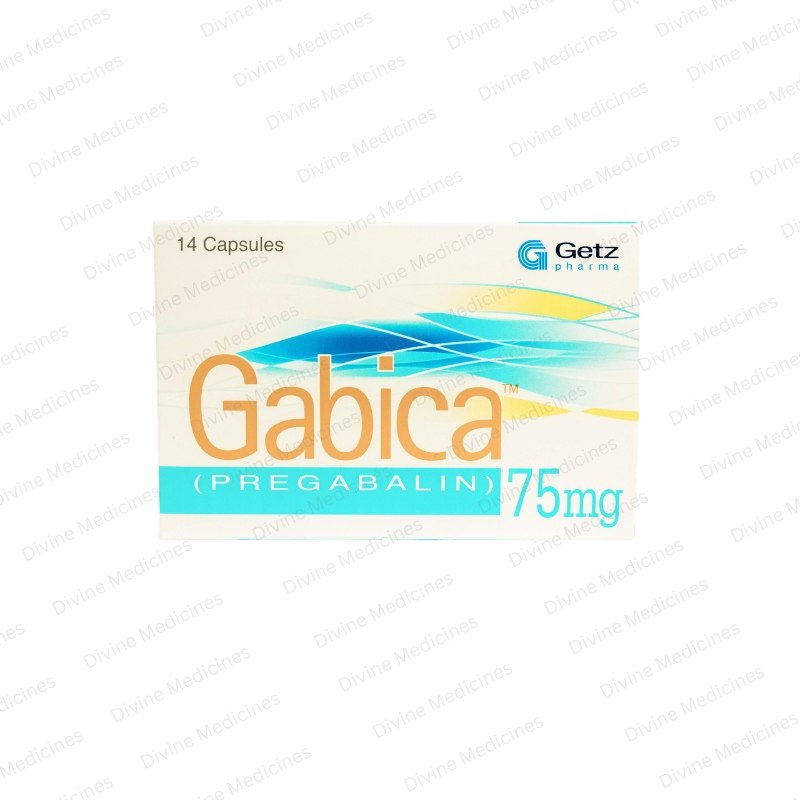
Gabica is a brand of pregabalin, a medicine used mainly for nerve pain. It can make a real difference to people living with burning, shooting nerve pain, but it also carries a risk of dependence and misuse. It should only be taken under a doctor’s supervision, at the dose they prescribe. This guide explains how it works, its side effects and how to use it safely.
Key points
Pregabalin belongs to a group of medicines called gabapentinoids, originally developed for epilepsy. It calms overactive nerve signals, which reduces nerve pain and, in some countries, anxiety.
Depending on the country’s approved uses and your doctor’s assessment, pregabalin is used for:
It is not an ordinary painkiller. It does not help headaches, toothache or most muscle pain, and current UK guidance advises against it for sciatica. See our sciatica guide.
| Gabica strength | Notes |
|---|---|
| 25 mg | Low starting dose, older adults, kidney disease |
| 50 mg | |
| 75 mg | Common starting strength |
| 100 mg | |
| 150 mg | |
| 300 mg | Higher doses, only when a doctor increases gradually |
Your doctor decides your dose. Pregabalin is usually started at a low dose and increased gradually over one to two weeks, depending on how well it works and how well you tolerate it. It is taken once or twice a day, with or without food.
Pain relief often begins within the first week, but the full effect can take a few weeks at the right dose.
Common: dizziness, drowsiness, unsteadiness, blurred vision, dry mouth, weight gain, increased appetite, swollen ankles, difficulty concentrating.
Get urgent medical help for:
Pregabalin can cause a sense of calm or euphoria at high doses, and some people become dependent on it. In the UK it became a controlled drug in 2019 because of misuse and deaths, especially when combined with opioids. Warning signs of misuse include:
If you are worried about your own or a family member’s use, speak to your doctor. Help is available.
Do not combine pregabalin with the following unless your doctor has planned it and is monitoring you:
Driving: pregabalin can cause dizziness and blurred vision. Do not drive or use machinery until you know how it affects you.
Do not stop pregabalin suddenly. Stopping abruptly can cause withdrawal symptoms such as trouble sleeping, headache, nausea, anxiety, sweating and, in people with epilepsy, seizures. Your doctor will reduce the dose gradually over at least one week, often longer.
Pregabalin is generally avoided in pregnancy unless the benefit clearly outweighs the risk. Use effective contraception while taking it, and tell your doctor if you plan to become pregnant or are breastfeeding.
Keep it locked away, out of reach of children and teenagers. Do not share your medicine with anyone.
How long does Gabica take to work? Some people notice less pain within a week. The full effect may take a few weeks at the dose your doctor sets.
Does Gabica cause weight gain? It can, through increased appetite and fluid retention. Tell your doctor if you notice swelling or rapid weight gain.
Can I take Gabica with Panadol? Yes, paracetamol can usually be taken with pregabalin. Ask your pharmacist about any other medicines.
Is Gabica a sleeping pill? No. It can cause drowsiness as a side effect, but it should not be used as a sleeping pill.
This guide is for general information and does not replace advice from your doctor. Always follow your doctor’s directions and the medicine’s pack leaflet.

Your trusted destination for medicines and healthcare essentials, with convenient online ordering and doorstep delivery across Lahore.
Welcome Back 👋
Sign in to access your account and continue where you left off.
Welcome To Divine Medicines🚀
Create your account to access everything you need.
 Your cart is empty
 |
 |
 |

Questions & Comments
Have a question about this article? Ask below and our team will reply.
No comments yet. Be the first to ask a question.