DIABETES
About 1 in 4 adults in Pakistan has diabetes. These are the early signs people miss, the tests that confirm it, and what to do next.
Medically reviewed by Arhum Nadeem, Pharm-D (8 years’ experience as a pharmacist) · Last reviewed: 30 October 2026
Type 2 diabetes often develops silently for years. Early signs include feeling very thirsty, passing urine often (especially at night), tiredness, blurred vision, slow-healing wounds, frequent urine or skin infections, tingling feet, and dark velvety skin on the neck. Pakistan has one of the highest diabetes rates in the world, with about 1 in 4 adults affected according to the International Diabetes Federation. A fasting sugar of 126 mg/dL or more, or an HbA1c of 6.5% or more, confirms diabetes. Anyone over 35, overweight, or with a family history should get tested even without symptoms.
From the pharmacy counter
When one family member is diagnosed with diabetes, it’s a good moment for parents, brothers and sisters to get tested too. A simple fasting sugar or HbA1c test once a year is worth it if diabetes runs in your family.
| Test | Normal | Prediabetes | Diabetes |
|---|---|---|---|
| Fasting blood sugar (8 hours without food) | Below 100 mg/dL | 100–125 mg/dL | 126 mg/dL or higher |
| HbA1c (3-month average) | Below 5.7% | 5.7–6.4% | 6.5% or higher |
| 2-hour glucose tolerance test | Below 140 mg/dL | 140–199 mg/dL | 200 mg/dL or higher |
| Random sugar with symptoms | – | – | 200 mg/dL or higher |
Without symptoms, a diagnosis is usually confirmed with a second test. More detail: blood sugar normal range and HbA1c test.
Prediabetes means your sugar is higher than normal but not yet in the diabetes range. It is the best time to act: studies show that losing 5 to 7% of body weight and being active for 150 minutes a week cut the risk of developing diabetes by more than half.
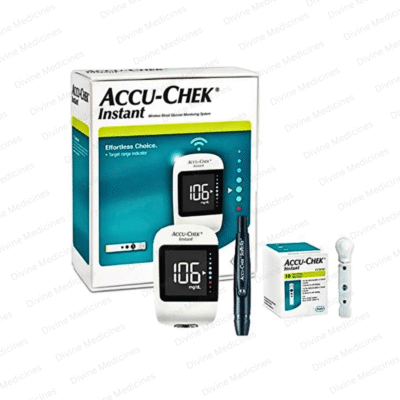
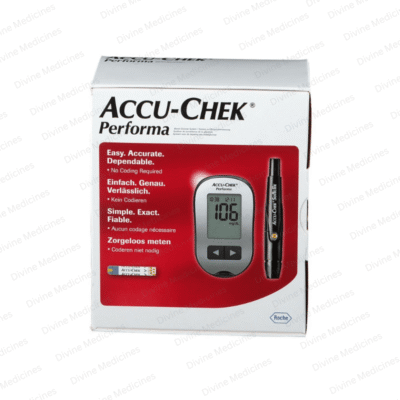
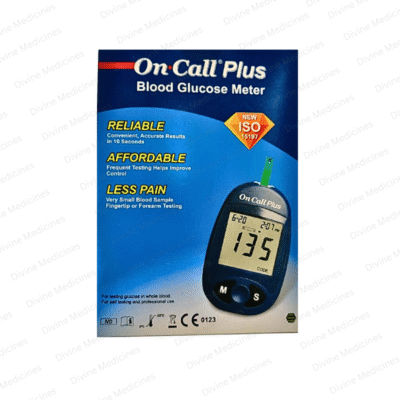
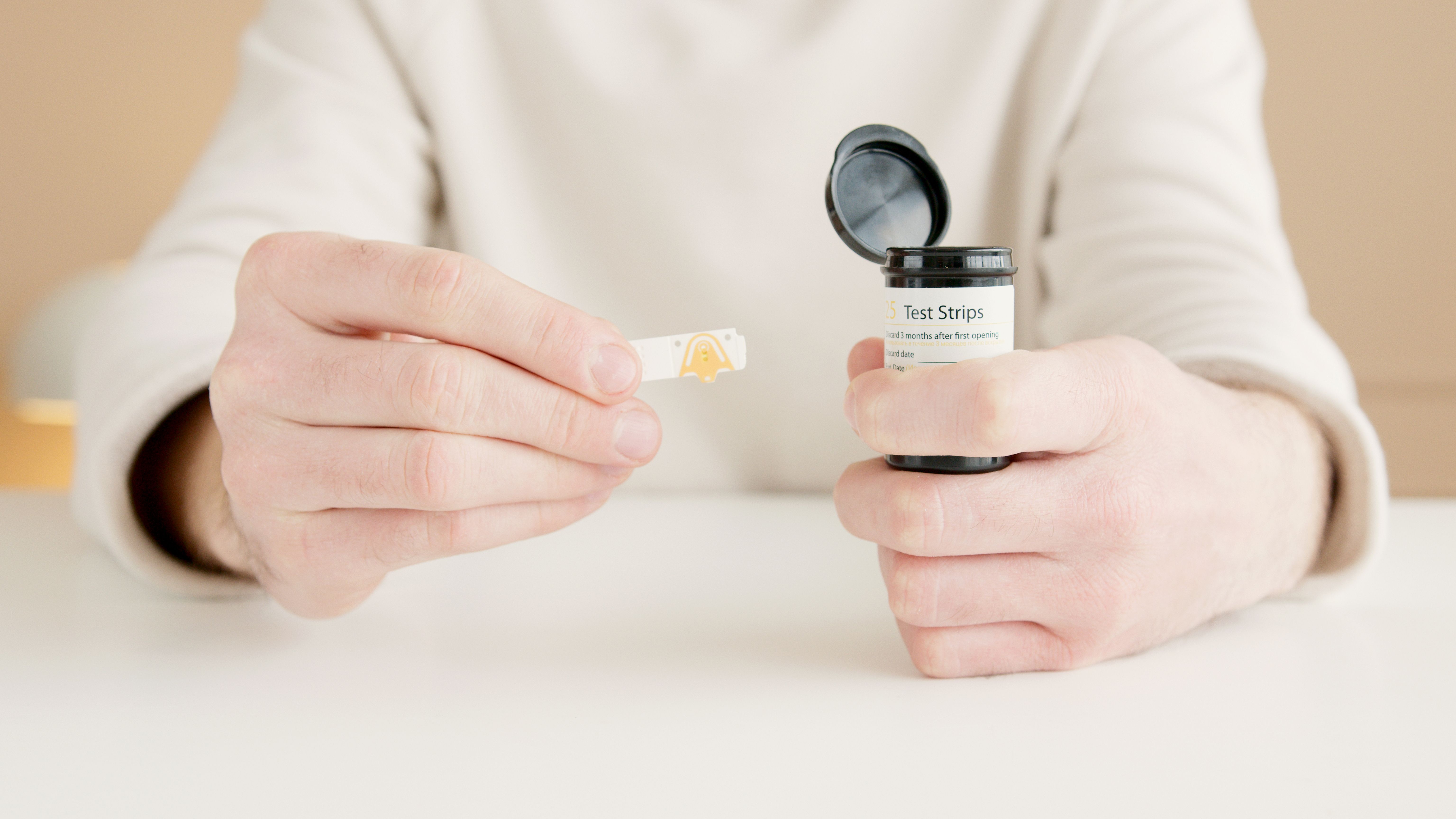
If you have been diagnosed, a home glucometer helps you and your doctor see how food, activity and medicines affect your sugar. Lab tests are still used for diagnosis and HbA1c. Compare meters in our sugar test machine guide.
Need any of these delivered?
We deliver across Lahore, usually within 3 to 4 hours, with cash on delivery, bank transfer, Easypaisa or JazzCash. Prescription medicines need a valid prescription. Not sure what you need? Send a message on WhatsApp and our pharmacist will help.
Type 2 diabetes aksar kai saal tak bina alamaat ke rehta hai. Pyaas zyada lagna, baar baar peshab aana, thakan, nazar dhundli hona, zakhm der se bharna aur pairon mein jhunjhunahat iski ibtidai alamaat hain. Pakistan mein har 4 mein se 1 baligh ko diabetes hai. Fasting sugar 126 ya HbA1c 6.5% se zyada ho to diabetes hai. 35 saal se upar, motapa ya khandaan mein diabetes ho to saal mein ek baar test karwayein.
Thirst, passing urine often, tiredness, blurred vision, slow-healing wounds, frequent infections and tingling feet. Many people have no symptoms at first.
Below 100 mg/dL is normal. 100 to 125 mg/dL is prediabetes, and 126 mg/dL or higher on two tests means diabetes.
Some people, especially early on, can bring their sugar back to the normal range through weight loss, diet and activity. This is called remission; it needs to be maintained and checked regularly.
No. A glucometer is good for monitoring, but diagnosis should be made with lab tests such as fasting glucose or HbA1c.
The International Diabetes Federation estimated in 2021 that about 26.7% of adults in Pakistan had diabetes, one of the highest rates in the world.
Family history raises your risk considerably, but lifestyle factors like weight, diet and activity play a big part.
This guide is general health information, not a diagnosis. Speak to your doctor or pharmacist about your own situation, and follow the dose on your prescription or pack leaflet.

Your trusted destination for medicines and healthcare essentials, with convenient online ordering and doorstep delivery across Lahore.
Welcome Back 👋
Sign in to access your account and continue where you left off.
Welcome To Divine Medicines🚀
Create your account to access everything you need.
 Your cart is empty
 |
 |
 |