SKIN CARE · FOOT CARE
Quick answer: The most effective cracked heels treatment is a nightly routine: a warm soak, gentle filing with a pumice stone, a 10% to 25% urea cream, petroleum jelly on top, and cotton socks overnight. People with diabetes should check their feet daily and see a doctor for any crack that does not heal.
Written and medically reviewed by Arhum Nadeem, Pharm-D, Pharmacist at Divine Medicines · Last reviewed: [REVIEW DATE] · Updated: 24 November 2026
Every winter, pharmacy counters across Pakistan hear the same complaint: heels so split they hurt with every step. Open sandals, dusty floors, hot water and dry air all take a toll on the thick skin of the feet.
The good news is that dry, split heels respond quickly to the right ingredients and a few minutes of care each night. This guide explains why heels crack, which urea lotions work best, a simple night routine, the risks to watch for, and the extra foot care that people with diabetes need.
Key takeaways
In this guide
Heels crack when thick, dry skin loses its stretch and splits under the pressure of body weight. Doctors call deep heel cracks heel fissures.
Urea does most of the work on thick heel skin, and petroleum jelly seals the result in. The American Academy of Dermatology recommends a cream containing 10% to 25% urea, alpha hydroxy acid or salicylic acid.
| Ingredient | What it does | Best for |
|---|---|---|
| Urea (10% to 25%) | Draws water into the skin and softens thick, hard layers | Split heels, rough elbows and knees |
| Salicylic acid | Loosens thick, dead skin | Hard calluses (not in diabetes without advice) |
| Lactic acid (an alpha hydroxy acid) | Gently loosens dead skin while moisturizing | Rough, flaky skin |
| Glycerin | Attracts and holds water in the skin | Dry hands and feet |
| Petroleum jelly | Seals moisture in with a protective layer | Night use as a final layer |
| Ceramides | Repair the skin barrier | Very dry or sensitive skin |
Urea is a humectant, meaning it pulls water into the skin. At higher strengths it is also keratolytic, meaning it softens and loosens hard, dead skin.
A urea cream or lotion is the most reliable choice for heel cracks. Every product below is stocked by Divine Medicines; prices were checked in November 2026 and can change.
| Product | Key ingredient | Best for | Price (Rs) |
|---|---|---|---|
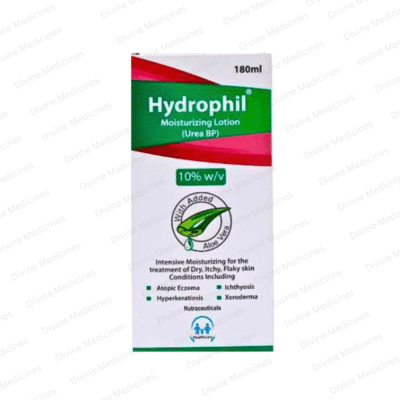
| Hydrophil 10% Lotion | Urea 10% | Deep heel cracks, elbows, knees | 587 |
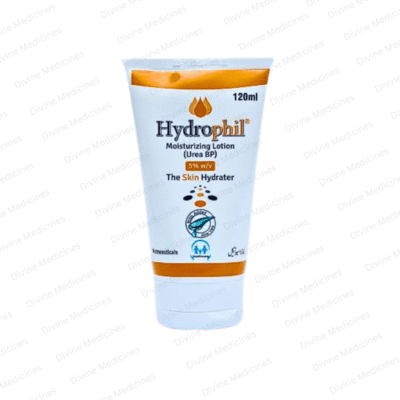
| Hydrophil 5% Lotion | Urea 5% | Daily care for dry feet and legs | 375 |
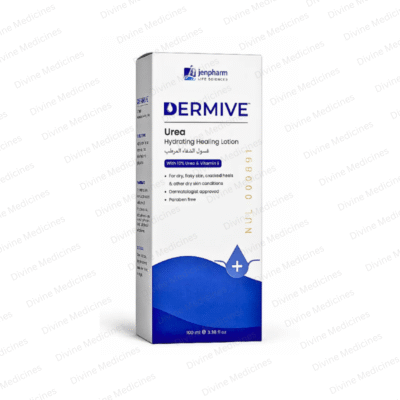
| Dermive Urea Lotion | Urea + vitamin E | Rough, flaky feet and legs | 980 |
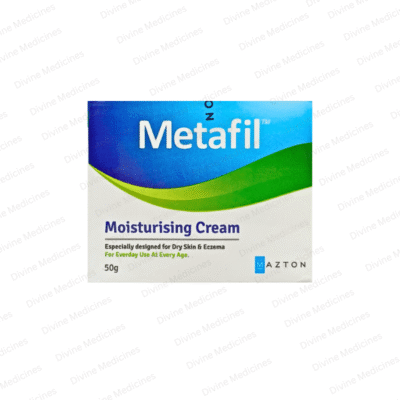
| Metafil Moisturising Cream | Barrier-supporting moisturiser | Chapped hands | 735 |
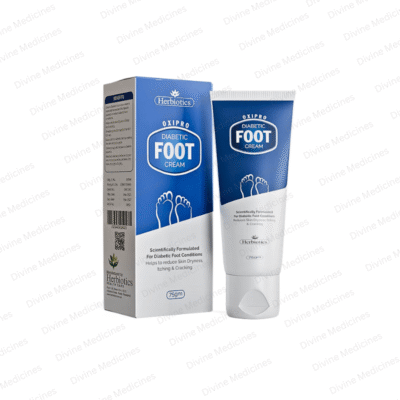
| Herbiotics Oxipro Diabetic Foot Cream | Herbal: turmeric, ginger, capsicum, peppermint | Foot care in diabetes, with a doctor’s approval | 1,758 |
Hydrophil lotion from Pharma Health Pakistan is one of the most searched urea lotions in the country. The 10% strength softens hard, split heels with regular use, while the 5% strength suits everyday body care.
Both come in a 120 ml bottle at a friendly price. For heels, the 10% version applied at night under cotton socks gives the best results.
Jenpharm’s Dermive Urea Lotion pairs urea with vitamin E. It suits heels that are rough rather than deeply split, and it doubles as a lotion for dry shins and elbows.
The Herbiotics Oxipro Diabetic Foot Cream is a herbal formula with turmeric, ginger, capsicum and peppermint. Capsicum can sting, so a cream like this should never go on broken skin or open cracks.
Evidence for herbal foot creams is limited compared with urea. People with diabetes are best advised to check with their doctor before using any diabetic foot cream.
A 5-minute routine each night heals most dry, split heels. Consistency matters more than the product.
Most people notice softer heels within a week. Once the heels are smooth, using the cream two or three times a week keeps the cracks from returning. For painful splits, the AAD notes that a liquid bandage over the crack can protect it while it heals.
A pumice stone thins hard skin cheaply and effectively, but only when used gently. Rubbing works best on softened, damp skin, in light strokes, a few times a week at most.
Blades, razors and cutting tools should never be used on heels at home. They easily cause wounds that become infected, especially in people with diabetes or poor circulation.
Urea creams are generally safe, but they can sting on open cracks and broken skin. Starting with a lower strength or waiting until the deepest splits begin to close reduces stinging.
Urea should be kept away from the eyes. Anyone who notices redness, swelling or a rash after a new product should stop using it.
Diabetes can reduce feeling in the feet, so a small crack can become infected without being noticed. The CDC advises people with diabetes to check their feet every day, using a mirror or a family member’s help for the soles.
Daily foot care takes a minute and prevents painful splits later. Small habit changes make the biggest difference in winter.
The same urea lotions also help keratosis pilaris, the tiny rough bumps many people notice on the backs of the arms or thighs in winter.
A doctor or dermatologist should check the feet when:
Need any of these delivered?
Divine Medicines delivers genuine skin care and medicines across Lahore, usually within 3 to 4 hours, with cash on delivery, bank transfer, Easypaisa or JazzCash. Shoppers unsure which product suits their skin can message the pharmacist on WhatsApp or browse the full personal care range.
Yes, as a final layer. Petroleum jelly seals in moisture very well, but it does not add water to thick skin by itself. It works best on top of a cream that draws water in, such as a urea lotion. Applying it at night and wearing cotton socks keeps it on the heels and off the bedding.
For heels, 10% to 25% urea is commonly recommended by dermatologists. For general body skin, 5% to 10% is usually enough. Urea can sting on open cracks, so it is best applied once the deepest splits have started to close. People with diabetes should ask their doctor before using strong urea products.
With nightly care, most people notice softer heels within a week and much smoother skin within two to three weeks. Deep fissures can take longer. If there is no improvement after two weeks of consistent care, or the cracks bleed or look infected, a doctor should check the feet.
At Divine Medicines in November 2026, Hydrophil 10% Lotion cost around Rs 587 and Hydrophil 5% Lotion around Rs 375, both in 120 ml bottles. Prices can change, so the product page shows the current figure. The 10% strength suits heels and elbows, while the 5% strength suits daily body care.
Lower strengths are sometimes used on the face, but 10% and above are better kept for the body, heels and elbows. Urea should never go near the eyes or on broken skin. For a dry face, a gentle ceramide or glycerin moisturizer is usually a more comfortable choice.
Oils and honey can soften the skin a little, but they do not draw water into thick heel skin the way urea does. For mild dryness, they may help. For deep or painful splits, a proper urea product sealed under petroleum jelly gives faster and more reliable results.
Heel cracks are common, uncomfortable and very treatable. A reliable cracked heels treatment combines a warm soak, gentle use of a pumice stone, a urea cream sealed under petroleum jelly, and cotton socks overnight. For people with diabetes, daily foot checks and a doctor’s advice for any crack that refuses to heal keep a small problem from becoming a serious one.
As a next step, the guide to the best skin care products in Pakistan covers everyday routines for the rest of the body.
Medical disclaimer: This guide is for general information only and is not a substitute for professional medical advice, diagnosis or treatment. Anyone with a skin condition should speak to a doctor or pharmacist and follow the directions on the product or prescription.

Your trusted destination for medicines and healthcare essentials, with convenient online ordering and doorstep delivery across Lahore.
Welcome Back 👋
Sign in to access your account and continue where you left off.
Welcome To Divine Medicines🚀
Create your account to access everything you need.
 Your cart is empty
 |
 |
 |

Questions & Comments
Have a question about this article? Ask below and our team will reply.
No comments yet. Be the first to ask a question.