SKIN CARE · BUYING GUIDE
Which face wash, moisturiser, sunscreen and serum to buy for oily, dry, combination and sensitive skin, and how to use them in a simple morning and night routine.
✓ Reviewed by Arhum Nadeem, Pharm-D · ✓ Based on AAD and Cleveland Clinic guidance · ✓ 3–4 hr delivery in Lahore
Medically reviewed by Arhum Nadeem, Pharm-D · Last reviewed: 10-28-2026
Walk into any pharmacy in Lahore and you will see shelves of face washes, whitening creams, serums and sunblocks, each promising glowing skin. Most people buy what a friend or an Instagram reel recommended, and end up with breakouts, dryness or wasted money.
The best skin care products in Pakistan are the ones that match your skin type and the climate you live in. Every routine needs only four things: a gentle face wash, a moisturiser, a broad-spectrum sunscreen of SPF 30 or higher, and one treatment product for your main concern (such as niacinamide for oil and marks, salicylic acid for acne, or vitamin C for dullness). Oily skin does best with gel or oil-free formulas and a matte sunscreen; dry skin needs a cream cleanser and a rich moisturiser with urea, ceramides or glycerin; sensitive skin needs fragrance-free products. Avoid unlabelled “formula” whitening creams, which can contain steroids or mercury.
This guide explains how to find your skin type, which products to buy for each one, how to layer them, and what to avoid. Every product mentioned is available at Divine Medicines with home delivery across Lahore.
The short version
Contents
Wash your face with a mild cleanser, pat it dry and apply nothing for about an hour. Then look in the mirror and touch your forehead, nose, cheeks and chin.
| Skin type | Signs after an hour | Look for | Avoid |
|---|---|---|---|
| Oily | Shine all over, visible pores, frequent blackheads | Gel or foaming face wash, oil-free moisturiser, matte or gel sunscreen, niacinamide, salicylic acid | Heavy creams, coconut oil, petroleum-based products on the face |
| Dry | Tight, rough or flaky; dull look | Cream or lotion cleanser, rich moisturiser with urea, ceramides, glycerin or hyaluronic acid | Foaming washes, alcohol toners, harsh scrubs |
| Combination | Oily T-zone (forehead, nose, chin), normal or dry cheeks | Gentle gel cleanser, light lotion moisturiser, extra hydration on cheeks | Treating the whole face as oily |
| Sensitive | Stings, itches or turns red with new products | Fragrance-free, short ingredient lists, mineral or gentle sunscreens | Fragrance, essential oils, strong acids, scrubs |
| Normal | Comfortable, not shiny or tight | A simple cleanser, light moisturiser and sunscreen | Overloading with actives you don’t need |
Skin type can change with season, age, hormones and medicines. Many people in Lahore have oily skin in the humid monsoon and dry, tight skin in December and January, so be ready to adjust your products through the year.
Dermatologists keep repeating the same advice: a good routine doesn’t need ten steps or expensive brands. Cleveland Clinic’s guide to an everyday routine comes down to cleansing, moisturising and protecting from the sun, then adding treatment products for specific concerns.
A face wash removes oil, sweat, dust and sunscreen without stripping your skin’s barrier. Wash twice a day, morning and night, and after heavy sweating. Use lukewarm water, not hot.
For a detailed comparison, read how to choose the right face wash for your skin type.
Every skin type needs a moisturiser, including oily skin. When oily skin is stripped and left dry, it often produces more oil and becomes more irritated by acne treatments.
Apply moisturiser on slightly damp skin within a minute or two of washing, to lock in water.
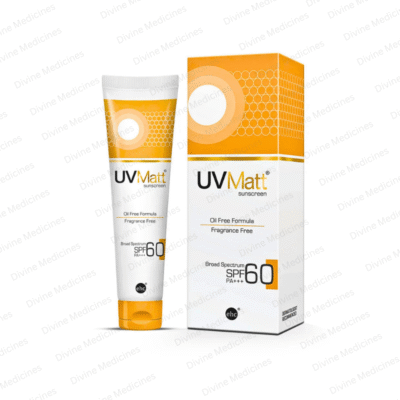
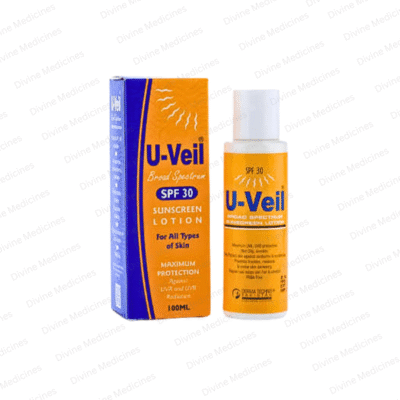
If you buy only one skin care product, make it sunscreen. The American Academy of Dermatology recommends a broad-spectrum, water-resistant sunscreen with SPF 30 or higher on all exposed skin, reapplied every two hours outdoors or after sweating. Sun exposure is a major cause of dark spots, melasma, uneven tone and early wrinkles, and Pakistan gets strong sunshine for most of the year.
Use about two finger-lengths of sunscreen for the face and neck. A higher SPF number does not let you skip reapplying. Our best sunscreen in Pakistan guide compares more options.
This is where you target your main concern. Start with one active ingredient, not three.
| Ingredient | Best for | How to use | Example |
|---|---|---|---|
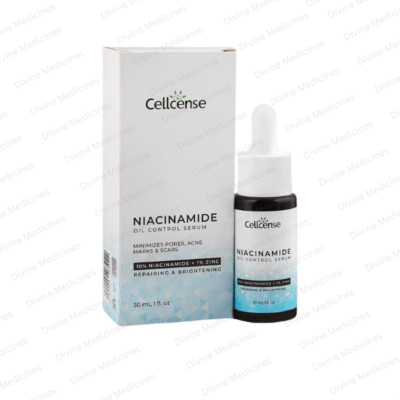
| Niacinamide | Oiliness, large pores, redness, dark marks | Morning or night; gentle and suits most skin | Cellcense Niacinamide Serum |
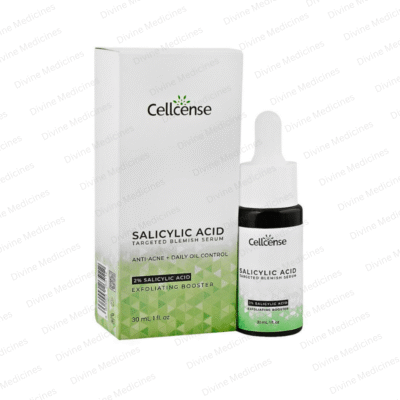
| Salicylic acid (BHA) | Blackheads, whiteheads, oily and acne-prone skin | Night, 3–4 times a week at first | Cellcense Salicylic Acid Serum |
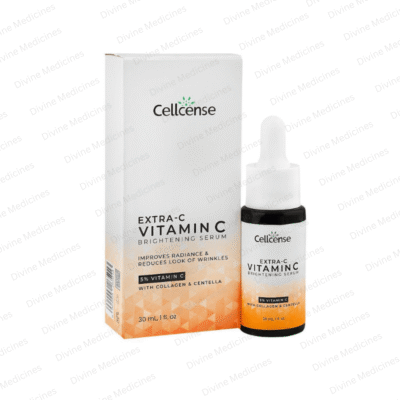
| Vitamin C | Dullness, uneven tone, antioxidant protection | Morning, under sunscreen; store away from heat and light | Cellcense Vitamin C Serum |
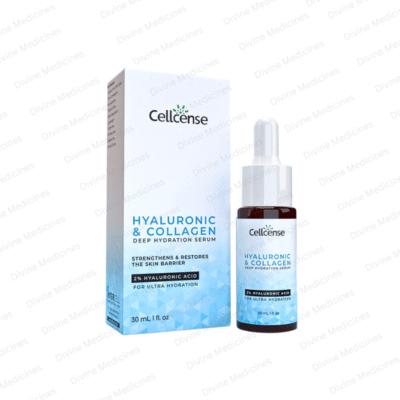
| Hyaluronic acid | Dehydration, tightness, fine dryness lines | On damp skin, then moisturiser | Cellcense Hyaluronic & Collagen Serum |
| Glycolic or mandelic acid (AHA) | Rough texture, dullness, marks | Night, 2–3 times a week; always use sunscreen next day | Bio One Glycolic Acid Cream, Mandelac Serum |
| Retinoids (retinol, adapalene) | Acne, fine lines, texture | Night only, a pea-sized amount, every other night at first; not in pregnancy | Ask our pharmacist which one suits you |
Heat and humidity in Lahore, Karachi and Multan make oily skin shinier and more prone to clogged pores. Keep products light and layers few.
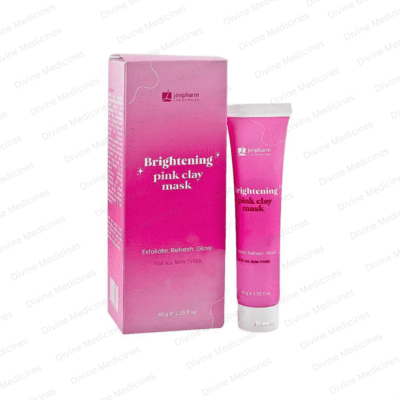
A clay mask once a week, such as the Brightening Pink Clay Mask, can help absorb excess oil. Blotting papers are better than washing your face five times a day. If you are breaking out, follow our acne and pimples treatment guide.
Dry skin gets worse in Pakistan’s winter, when the air is cold and dry and people take hot showers. The aim is to protect the skin barrier and hold in moisture.
Keep showers short and warm, and moisturise your body straight after. Our guide on dry skin and cracked heels in winter covers body care in more detail.
Use a gentle gel cleanser and a light lotion moisturiser on the whole face, then add a little extra moisturiser on dry cheeks. Use salicylic acid or a clay mask only on the oily T-zone. A gel sunscreen usually suits the whole face.
Choose fragrance-free products with short ingredient lists. Avoid scrubs, strong acids and essential oils. Introduce one product at a time and patch test it behind the ear or on the side of the neck for 2–3 days. Niacinamide at a low strength is usually well tolerated. If your skin burns, flushes easily or reacts to almost everything, see a dermatologist, as rosacea or eczema may be the cause.
| Concern | Helpful ingredients | Products to consider | Read more |
|---|---|---|---|
| Acne and pimples | Salicylic acid, benzoyl peroxide, adapalene, niacinamide | Niaronic Acne Control Serum, Airol-N Face Wash | Acne treatment guide |
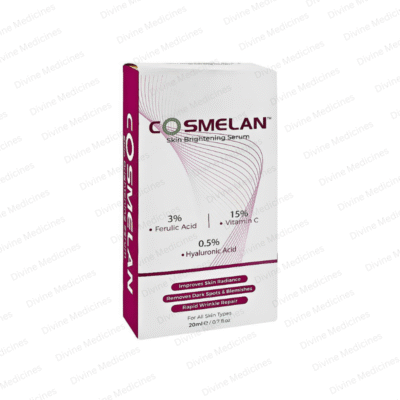
| Dark spots, melasma and pigmentation | Sunscreen, niacinamide, azelaic acid, vitamin C, kojic acid | Cosmelan Skin Brightening Serum, Biofad Skin Brightening Cream | Melasma and pigmentation guide |
| Dull, uneven skin | Vitamin C, AHAs, regular sunscreen | Cerulic Glow Boosting Serum | Vitamin E for skin |
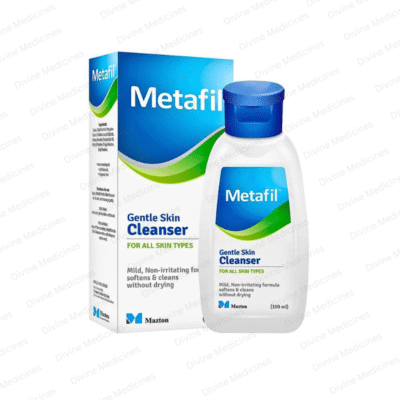
| Dehydrated, tight skin | Hyaluronic acid, glycerin, ceramides | Skin Rescue Mist, Metafil Moisturising Lotion | Dry skin guide |
| Fine lines and early ageing | Sunscreen, retinoids, vitamin C, peptides | Cellcense Vitamin C Serum | Ask our pharmacist about retinoids |
| Fungal rash or itchy patches | Antifungal creams, not steroid mixes | See guide | Antifungal cream guide |
Brightening products work slowly, over 8–12 weeks, and only if you protect your skin from the sun every day. Any product promising to make you “fair in 7 days” should be treated with suspicion.
A practical tip
Take a photo of your face in the same light on day one, then again at week 4 and week 8. Skin changes slowly, and photos stop you abandoning a product that is actually working, or continuing one that isn’t.
Apply products from thinnest to thickest, and let each one sink in for a minute.
Don’t combine retinoids with AHA or BHA acids on the same night, or use several strong actives together when you are starting out. This is the most common cause of red, peeling, stinging skin. Alternate them on different nights instead.
Supplements cannot replace sunscreen and a good routine, but they can help if your diet is low in certain nutrients. Biotin may help hair and nails when you are deficient; collagen and vitamin C support the skin’s structure; zinc can help some people with acne. Options include Herbiotics Collagix Collagen, Nutrifactor Biotin Plus and Nutrifactor Nuzinc. Read our guides on vitamin E capsules for skin and hair fall treatment. Check with a pharmacist before taking supplements if you are pregnant or on other medicines.
Fake and expired skin care products are common in local markets. When you buy, check for a printed batch number, manufacturing and expiry dates, an ingredient list and an intact seal. Price that is far below the usual rate is a warning sign.
Divine Medicines stocks dermatologist-brand skin care products from registered suppliers, with delivery across Lahore within 3 to 4 hours for most orders. You can pay by cash on delivery, bank transfer, JazzCash or EasyPaisa. Not sure what suits your skin? Message our pharmacist on WhatsApp, or browse the full personal care range. More tips in how to buy medicines online in Lahore safely.
Achi skin care ke liye sirf chaar cheezein chahiye: apni skin type ke mutabiq face wash, moisturiser, SPF 30 ya us se zyada sunscreen, aur ek serum apne masle ke liye (oily skin aur daagh ke liye niacinamide, daanon ke liye salicylic acid, chehre ki raunaq ke liye vitamin C). Oily skin ke liye gel aur oil-free products, dry skin ke liye cream cleanser aur gaarha moisturiser. Har nayi cheez ek waqt mein ek shuru karein aur 6 se 8 hafte ka waqt dein. Formula ya bina label wali gora karne wali creams se bachein, in mein steroid ya mercury ho sakta hai.
The best products are the ones that match your skin type: a gentle face wash, a moisturiser, a broad-spectrum sunscreen of SPF 30 or more, and one treatment serum such as niacinamide, salicylic acid or vitamin C. Pharmacy brands with clear ingredient lists are usually safer than unlabelled beauty creams.
Start with three steps: face wash morning and night, moisturiser after washing, and sunscreen every morning. After 3 to 4 weeks, add one serum for your main concern.
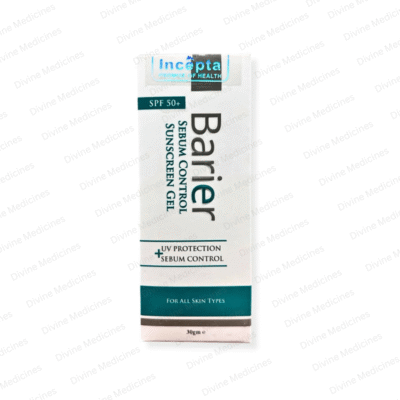
Choose a broad-spectrum matte or gel sunscreen of SPF 30 to 50 that is labelled oil-free or non-comedogenic, and reapply every two hours when outdoors.
Yes, most people can. If your skin feels irritated, use vitamin C in the morning and niacinamide at night.
Yes. A light, oil-free moisturiser keeps the skin barrier healthy and can reduce irritation from acne products.
Cleansers and moisturisers work within days, but acne and brightening products usually take 6 to 12 weeks to show clear results.
Only registered products with a full ingredient list. Avoid unlabelled formula creams, which can contain steroids or mercury, and use daily sunscreen, as no brightening product works without it.
Information here is for education only. Skin reacts differently from person to person, so check with a doctor or pharmacist before starting prescription-strength products or if you are pregnant or breastfeeding.

Your trusted destination for medicines and healthcare essentials, with convenient online ordering and doorstep delivery across Lahore.
Welcome Back 👋
Sign in to access your account and continue where you left off.
Welcome To Divine Medicines🚀
Create your account to access everything you need.
 Your cart is empty
 |
 |
 |

Questions & Comments
Have a question about this article? Ask below and our team will reply.
No comments yet. Be the first to ask a question.