SUPPLEMENTS
A popular herb for stress and sleep. Here's what studies actually show, how to take it, and who should avoid it.
Reviewed by Arhum Nadeem, Pharm-D
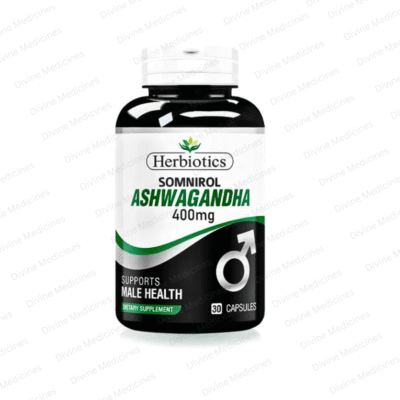
The best-supported ashwagandha benefits are a modest reduction in stress and anxiety and some improvement in sleep, seen in small clinical studies using 250 to 600 mg of root extract a day for 6 to 8 weeks. Studies in men suggest possible benefits for testosterone, sperm quality and muscle strength, while evidence for women’s health is limited. Ashwagandha (Withania somnifera, called asgandh in Urdu) is a traditional Ayurvedic and Unani herb. It is generally well tolerated for short-term use, but it is not suitable in pregnancy, can affect thyroid levels, and has rarely been linked to liver injury. It is a supplement, not a treatment for any disease.
Medically reviewed by Arhum Nadeem, Pharm-D (8 years’ experience as a pharmacist) · Last reviewed: 18 October 2026

Ashwagandha is a small shrub whose root has been used for centuries in Ayurvedic and Unani medicine, where it is called asgandh (اسگندھ). It is described as an “adaptogen”, a substance believed to help the body cope with stress. Today it is sold as capsules, tablets and powder.
اشواگندھا (اسگندھ) ایک جڑی بوٹی ہے جو صدیوں سے ذہنی دباؤ، کمزوری اور نیند کے لیے استعمال ہوتی رہی ہے۔ تحقیق کے مطابق یہ دباؤ اور گھبراہٹ میں کچھ کمی اور نیند میں بہتری لا سکتی ہے، لیکن حمل میں اس کا استعمال نہیں کرنا چاہیے۔
| Claimed benefit | Evidence | Summary |
|---|---|---|
| Stress and anxiety | Moderate (several small trials) | Modest reduction in stress scores and cortisol levels |
| Sleep | Moderate | Small improvements in sleep quality and time to fall asleep |
| Testosterone and male fertility | Limited | Some studies show higher testosterone and better sperm counts |
| Muscle strength and exercise | Limited | Small gains when combined with strength training |
| Women’s health (libido, menopause) | Very limited | A few small studies; more research needed |
| Weight loss, diabetes, memory | Insufficient | Not enough reliable evidence |
Small studies in men taking ashwagandha root extract for about 8 to 12 weeks have reported improvements in testosterone levels, sperm count and motility in men with fertility problems, and muscle strength alongside exercise. These results are promising but come from small trials. Men with fertility concerns or low energy should see a doctor, as causes such as thyroid problems, diabetes or low vitamin D need checking.
For women, the main supported benefits are the same as for men: lower stress and better sleep. A few studies have looked at sexual function and menopausal symptoms, with mixed results. Women who are pregnant, trying to conceive or breastfeeding should not take ashwagandha.
Pharmacist’s tip
Start with one capsule a day with food for the first week. If you take thyroid, diabetes, blood pressure or sleep medicines, speak to your doctor or pharmacist before starting.
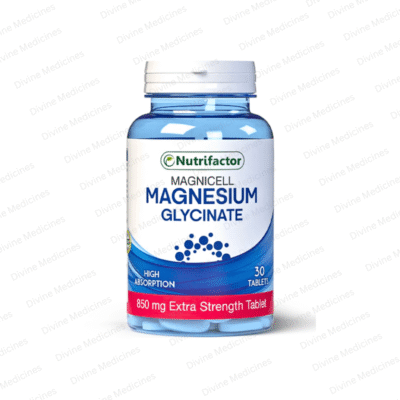
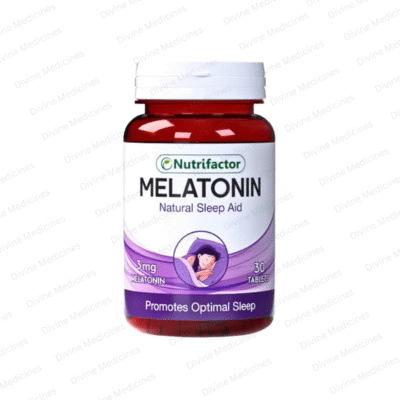
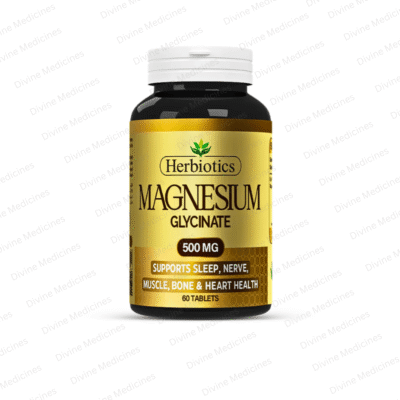
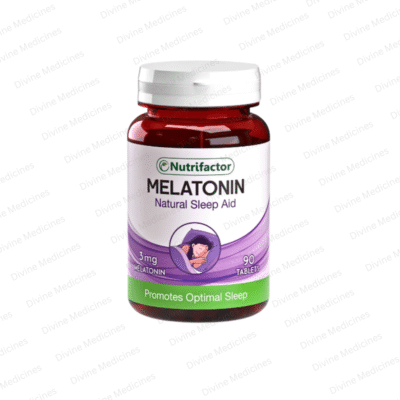
Regular exercise, a fixed sleep routine, limiting caffeine and talking to someone you trust help stress more reliably than any supplement. Magnesium glycinate and melatonin are other options people use; see our guide to sleeping pills and melatonin and magnesium deficiency.
Ordering from Divine Medicines in Lahore
Questions before you buy? Message our pharmacist on WhatsApp, or read How to Buy Medicines Online in Lahore Safely.
The best evidence is for reducing stress and anxiety and improving sleep. Some small studies show benefits for testosterone and male fertility.
Small studies suggest it may improve testosterone, sperm quality and muscle strength with exercise, but more research is needed.
Most studies show effects after 6 to 8 weeks of daily use.
Yes, for stress and sleep, but not during pregnancy or breastfeeding, and with caution in thyroid or autoimmune conditions.
Long-term safety isn’t well studied. Use it for up to 3 months, then take a break and review with your doctor.
Ashwagandha is called asgandh (اسگندھ) in Urdu and Unani medicine.
This article is for general information and does not replace advice from your doctor or pharmacist. Always read the pack leaflet and follow the dose on the label or prescription.

Your trusted destination for medicines and healthcare essentials, with convenient online ordering and doorstep delivery across Lahore.
Welcome Back 👋
Sign in to access your account and continue where you left off.
Welcome To Divine Medicines🚀
Create your account to access everything you need.
 Your cart is empty
 |
 |
 |

Questions & Comments
Have a question about this article? Ask below and our team will reply.
No comments yet. Be the first to ask a question.