NUTRITION
A small seed with fibre and plant omega-3. Here's what alsi really does, how much to eat, and how to add it to your diet.
✓ Reviewed by Arhum Nadeem, Pharm-D · ✓ Based on NIH and USDA data · ✓ 3–4 hr delivery in Lahore

Medically reviewed by Arhum Nadeem, Pharm-D (8 years’ experience as a pharmacist) · Last reviewed: 18 October 2026
Alsi pinni in winter is a family tradition in Punjab. Flax seeds themselves are worth eating all year round, if you prepare them the right way.
Flax seeds in Urdu are called alsi (السی) or alsi ke beej. They are rich in fibre, plant omega-3 fat (alpha-linolenic acid, ALA) and lignans. Research shows 1 to 2 tablespoons of ground flax seeds a day can ease constipation and modestly lower LDL cholesterol and blood pressure. Grind the seeds before eating, as whole seeds often pass through undigested, and drink plenty of water with them. Flax seeds are a healthy food, not a medicine, and they work best as part of a balanced diet.
Key facts
فلیکس سیڈز کو اردو میں السی یا السی کے بیج کہتے ہیں۔ ان میں فائبر، اومیگا تھری چکنائی اور لگنن پائے جاتے ہیں۔ روزانہ ایک سے دو چمچ پسی ہوئی السی قبض میں آرام اور کولیسٹرول میں معمولی کمی لا سکتی ہے۔
| Nutrient | Per 1 tablespoon whole (≈10 g) |
|---|---|
| Calories | ≈55 kcal |
| Protein | ≈1.9 g |
| Total fat | ≈4.3 g |
| Omega-3 (ALA) | ≈2.3 g |
| Fibre | ≈2.8 g |
| Magnesium | ≈40 mg |
Values based on USDA FoodData Central; a tablespoon of ground flax weighs about 7 g, so contains a little less.
| Benefit | Evidence | Notes |
|---|---|---|
| Constipation relief | Good | Soluble fibre softens stool; take with plenty of water. See constipation relief. |
| Lower LDL cholesterol | Moderate | Ground flax may lower LDL slightly, mainly in people with high cholesterol. See cholesterol normal range. |
| Lower blood pressure | Moderate | Small reductions seen with daily ground flax over 3 months or more. |
| Blood sugar control | Limited | Small effects; not a replacement for diabetes treatment. |
| Weight loss | Limited | Fibre helps you feel full, but flax alone doesn’t cause weight loss. |
| Hair and skin | Very limited | Mostly traditional use; little direct research. |
From the pharmacy counter
Grind a week’s worth of alsi at a time and keep it in a closed jar in the fridge. Ground flax goes stale quickly at room temperature.
| Flax seeds (alsi) | Chia seeds | Fish oil | |
|---|---|---|---|
| Omega-3 type | ALA (plant) | ALA (plant) | EPA and DHA |
| Fibre | High | Very high | None |
| Needs grinding? | Yes | No | No |
| Best for | Constipation, cholesterol, budget | Fibre, puddings | Triglycerides, people who don’t eat fish |
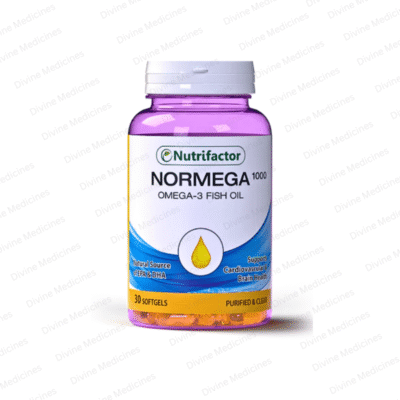
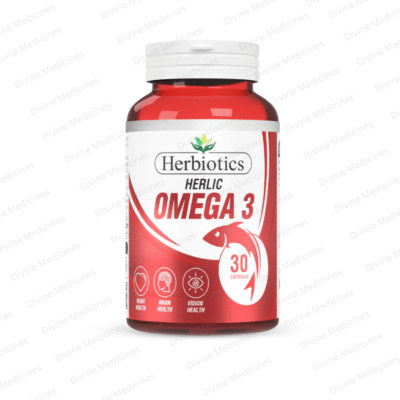
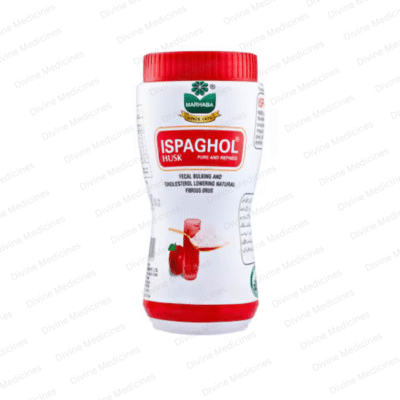
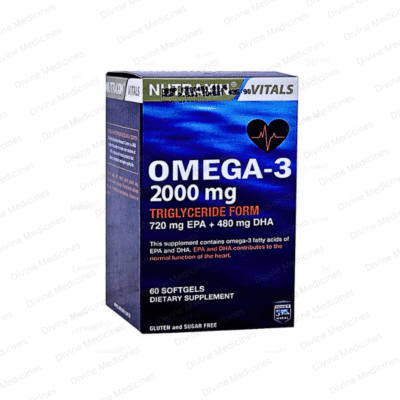
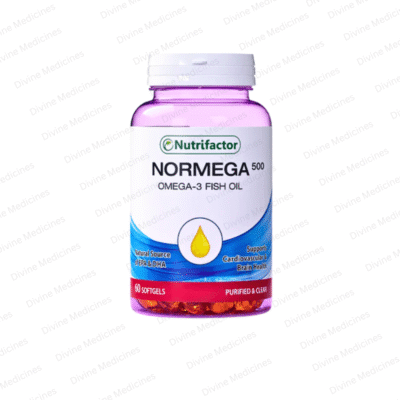
The body converts only a small amount of ALA into EPA and DHA. If you don’t eat oily fish, a fish oil capsule such as Nutrifactor Normega 1000 mg or Herbiotics Herlic Omega 3 provides EPA and DHA directly. For fibre, ispaghol husk is another option.
Need any of these delivered?
We deliver across Lahore, usually within 3 to 4 hours, with cash on delivery, bank transfer, Easypaisa or JazzCash. Prescription medicines need a valid prescription. Not sure which product suits you? Send a message on WhatsApp and our pharmacist will help.
Flax seeds ko Urdu mein alsi kehte hain. In mein fibre, omega-3 (ALA) aur lignans hote hain. Roz 1 se 2 chamach pisi hui alsi qabz mein araam deti hai aur cholesterol aur blood pressure mein thori kami la sakti hai. Saboot alsi aksar hazam nahi hoti, is liye halka bhoon kar pees lein aur fridge mein rakhein. Shuru mein 1 chai ka chamach lein aur saath paani zaroor piyen. Alsi dawai nahi, sehatmand ghiza ka hissa hai.
Flax seeds are called alsi (السی) or alsi ke beej in Urdu.
Ground flax seeds can ease constipation and modestly lower LDL cholesterol and blood pressure. They also provide plant omega-3 and fibre.
Most adults can have 1 to 2 tablespoons of ground flax seeds a day, starting with 1 teaspoon and drinking plenty of water.
Their fibre helps you feel full, but flax seeds alone don’t cause weight loss. Diet and activity matter most.
Ground. Whole seeds often pass through the gut undigested, so you miss most of the nutrients.
Yes, in food amounts of 1 to 2 tablespoons a day for most healthy adults.
This guide is general health information, not a diagnosis. Speak to your doctor or pharmacist about your own situation, and follow the dose on your prescription or pack leaflet.

Your trusted destination for medicines and healthcare essentials, with convenient online ordering and doorstep delivery across Lahore.
Welcome Back 👋
Sign in to access your account and continue where you left off.
Welcome To Divine Medicines🚀
Create your account to access everything you need.
 Your cart is empty
 |
 |
 |

Questions & Comments
Have a question about this article? Ask below and our team will reply.
No comments yet. Be the first to ask a question.