
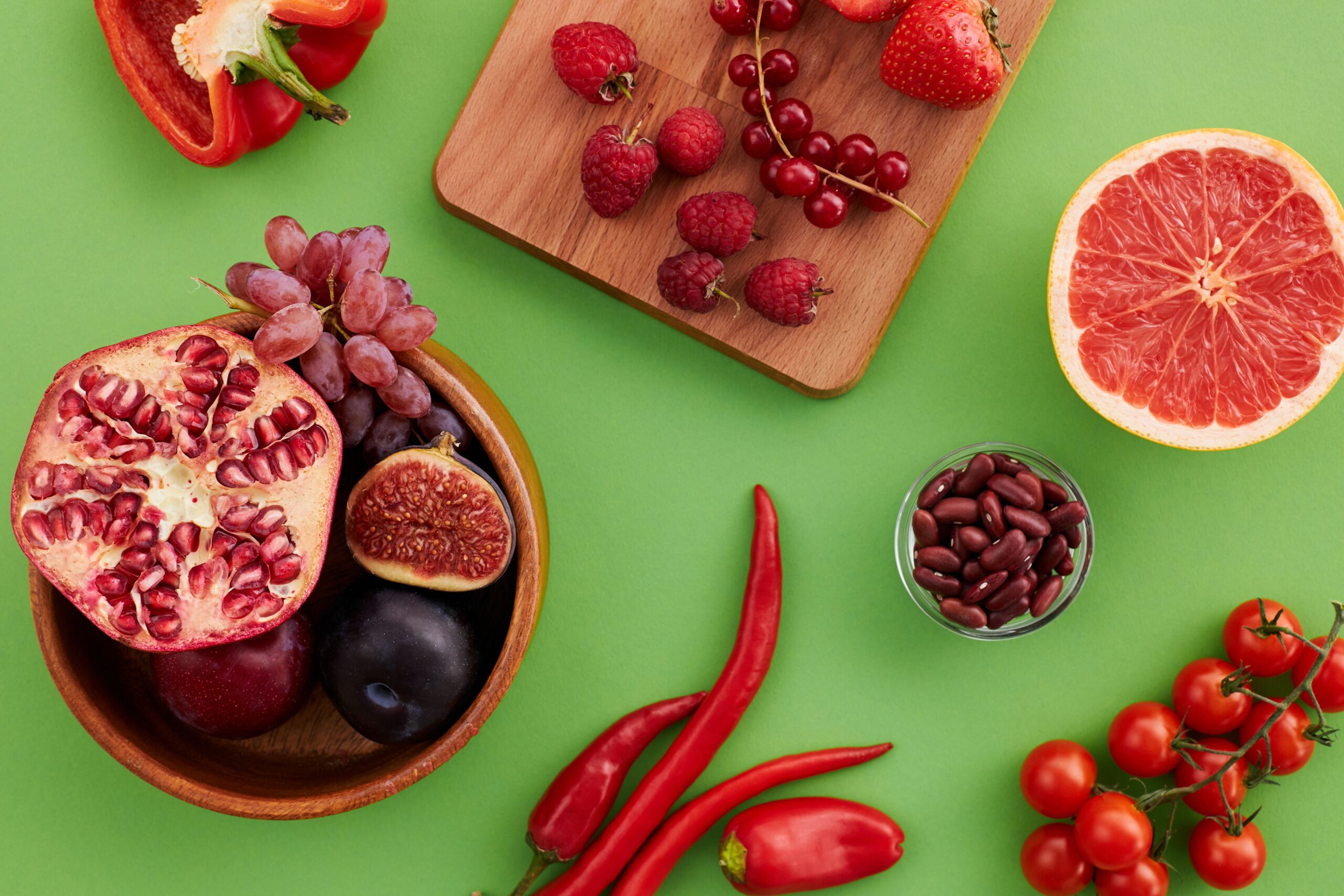
Iron-Rich Foods That Actually Fix Low Hemoglobin
Feeling tired all the time, getting dizzy when you stand up too fast, or noticing you’re out of breath climbing a single flight of stairs? Before you chalk it up to a busy schedule or bad sleep, it’s worth considering something simpler and far more common: low hemoglobin. And if a blood test has already confirmed it, chances are the first thing you were told was “eat more iron-rich foods.” Fair advice, but not very specific. Let’s actually break down what that means in practice.
What Hemoglobin Has to Do With Any of This
Hemoglobin is the protein in your red blood cells responsible for carrying oxygen from your lungs to every other part of your body. When your hemoglobin levels drop, your organs and muscles simply aren’t getting enough oxygen to function properly, which is exactly why fatigue, weakness, pale skin, and shortness of breath are such common symptoms. Iron is one of the core building blocks your body needs to actually produce hemoglobin, so when iron stores run low, hemoglobin production slows down right along with it.
This is what’s typically referred to as iron-deficiency anemia, and it’s one of the most common nutritional deficiencies worldwide, especially among women, growing teenagers, and people following largely plant-based diets.
Two Very Different Types of Iron
Here’s something most people never get told clearly: not all dietary iron behaves the same way.
Heme iron comes from animal sources like meat, poultry, and fish. Your body absorbs this form relatively easily, often somewhere between 15 to 35 percent of what you eat.
Non-heme iron comes from plant sources like lentils, spinach, and beans. It’s absorbed far less efficiently, often only 2 to 20 percent, and its absorption is heavily influenced by what else you’re eating alongside it.
This distinction matters a lot when you’re building a diet specifically to raise your iron levels, because it means quantity alone isn’t the whole story — pairing and preparation matter just as much.
The Best Iron-Rich Foods to Actually Add to Your Plate
Red meat, especially liver. Beef and lamb are some of the most concentrated sources of heme iron you can eat, and liver in particular is exceptionally rich, though it’s admittedly not everyone’s favorite thing to cook.
Poultry and fish. Chicken, especially the darker cuts, along with fish like sardines and tuna, provide a solid, easily absorbed source of iron without needing to eat huge portions.
Lentils and beans. A genuinely excellent option for vegetarians. A single cup of cooked lentils provides a meaningful chunk of your daily iron needs, and they’re versatile enough to add to soups, curries, or salads.
Spinach and other leafy greens. Spinach in particular is iron-dense, though as a non-heme source, it needs a little help from other foods to be absorbed well, more on that shortly.
Pumpkin seeds. An easy, snackable source of iron that also happens to be rich in magnesium and zinc.
Tofu and soy products. Another strong plant-based option, particularly useful if you’re avoiding meat altogether.
Dried fruits like apricots and raisins. Not a primary source on their own, but a genuinely useful addition, especially as a snack that also satisfies a sweet craving.
Quinoa. Higher in iron than most other grains, and a solid base for a hemoglobin-friendly meal.
The Pairing Trick That Actually Makes a Difference
If you remember one practical tip from this entire article, make it this one: pair iron-rich foods with a source of vitamin C.
Vitamin C significantly boosts how much non-heme iron your body actually absorbs. That means a lentil curry eaten alongside tomatoes, a spinach salad with orange segments, or simply having a glass of citrus juice alongside an iron-rich meal can meaningfully improve how much of that iron your body actually uses, not just how much passes through.
On the flip side, certain things block iron absorption. Tea and coffee, particularly when consumed right around mealtime, contain compounds called tannins that interfere with iron uptake. Calcium-rich foods and supplements can have a similar blocking effect if taken at the same time as an iron-rich meal. This doesn’t mean cutting out your morning coffee altogether, just being mindful of the timing, ideally leaving an hour or so of gap between your iron-rich meal and your cup of tea.
When Food Alone Isn't Enough
For mild, early-stage low hemoglobin, dietary changes can genuinely make a noticeable difference over a few weeks. But if your levels are significantly low, or if the underlying cause isn’t diet-related at all, such as heavy menstrual bleeding, an underlying gastrointestinal issue, or pregnancy-related demands, food changes alone may not be enough to correct it in a reasonable timeframe.
This is exactly the situation where iron supplements come in, and it’s also where things get a little more nuanced than just picking one off a shelf. Different iron supplement formulations vary in how well they’re absorbed, how likely they are to cause stomach upset, and what dose is actually appropriate for your specific situation. Taking more than you need doesn’t speed up recovery, and can actually cause its own problems, including stomach irritation and, in more serious cases, iron overload.
This is genuinely a conversation worth having with a doctor or pharmacist rather than guessing based on what worked for a friend or family member. At Divine Medicines, our pharmacists can help you understand which iron supplement actually fits your situation, and you can order verified, genuine iron supplements directly through Divine Medicines with that guidance included.
A Quick Word on Getting Retested
If you’ve started making these changes, whether through diet, supplements, or both, it’s worth getting your hemoglobin levels rechecked after a few weeks rather than just assuming things are improving based on how you feel. Energy levels can be a slow, gradual thing to notice, and a follow-up blood test gives you actual confirmation that what you’re doing is working, or tells you it’s time to dig a little deeper into what’s really causing the deficiency in the first place.
The Bottom Line
Low hemoglobin is common, and for most people, genuinely manageable once you understand what’s actually going on. Building meals around iron-rich foods, pairing them smartly with vitamin C, and being mindful of what blocks absorption can make a real, measurable difference. But if your fatigue and other symptoms are significant, or your levels are quite low, don’t wait it out on diet changes alone. A quick conversation with your pharmacist or doctor, paired with the right supplement if needed, will get you back to feeling like yourself far faster than food changes on their own.
This article is for general informational purposes and isn’t a substitute for professional medical advice. If you’re experiencing ongoing fatigue, dizziness, or other symptoms of low hemoglobin, consult your doctor for proper testing and diagnosis before starting any supplement.
Reviewed by Dr. Hamza Shiekh, PharmD, Registered Pharmacist — Divine Medicines