DIGESTIVE HEALTH
Most piles settle with fibre, water and simple care. Here's what helps, which medicines to use, and when to see a doctor.
Reviewed by Arhum Nadeem, Pharm-D
Piles are common and treatable, yet many people put off asking about them for months out of embarrassment. Most cases settle with a few simple changes.
Piles treatment starts at home: more fibre (such as ispaghol), plenty of water, not straining on the toilet, and warm sitz baths. Piles, or haemorrhoids, are swollen blood vessels in and around the back passage. In Urdu they are called bawaseer (بواسیر). They cause bright red bleeding after passing stool, itching, a lump near the anus and discomfort. Soothing creams and vein tablets such as Daflon can ease symptoms. Most piles improve within a week or two, but bleeding should always be checked by a doctor if it doesn’t settle, if you’re over 40, or if your bowel habit has changed.
Medically reviewed by Arhum Nadeem, Pharm-D (8 years’ experience as a pharmacist) · Last reviewed: 18 October 2026

Piles (haemorrhoids, hemorrhoids) are called bawaseer in Urdu:
بواسیر مقعد (پاخانے کی جگہ) کے اندر یا باہر خون کی رگوں کے سوج جانے کو کہتے ہیں۔ اس میں پاخانے کے بعد سرخ خون آنا، خارش، درد اور مقعد کے پاس گلٹی محسوس ہونا عام علامات ہیں۔
Fissure (فشر) is different: a small tear in the skin of the anus that causes sharp, cutting pain during and after passing stool, often with a streak of blood.
| Type | Where | Typical symptoms |
|---|---|---|
| Internal piles (andarooni bawaseer) | Inside the back passage | Painless bright red bleeding; may come out (prolapse) when straining |
| External piles (bairooni bawaseer) | Under the skin around the anus | Itching, swelling, a soft lump, discomfort when sitting |
| Thrombosed pile | External pile with a blood clot | Sudden, very painful hard purple lump; see a doctor |
Women have the same symptoms. Piles are especially common in pregnancy and after childbirth, because of hormonal changes, pressure from the baby and constipation. Iron tablets can add to constipation, so fibre and fluids matter even more. Check with your doctor before using any piles medicine in pregnancy.
| Medicine | How it helps | Notes |
|---|---|---|
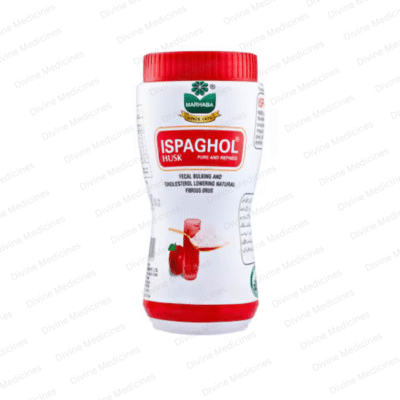
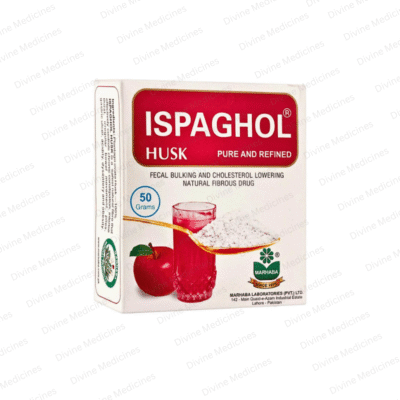
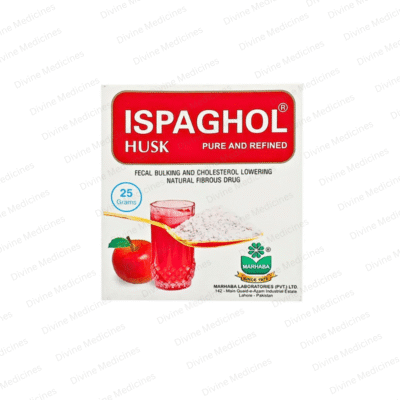
| Ispaghol husk | Bulk-forming fibre that softens stool | Take with plenty of water; works over 2 to 3 days |
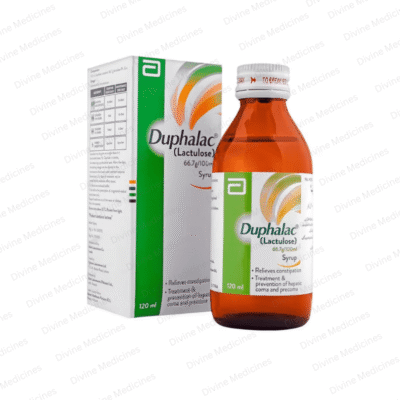
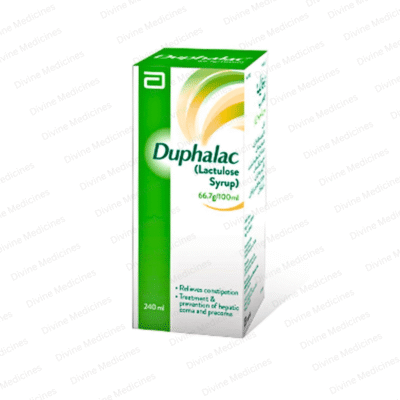
| Duphalac (lactulose) | Osmotic laxative that draws water into the stool | Gentle; may cause wind at first |
| Daflon 500mg (diosmin + hesperidin) | Improves vein tone and reduces swelling and bleeding | Doctors often use a higher dose for a few days during a flare; follow your doctor or the leaflet |
| Piles creams and suppositories | Local anaesthetic soothes pain; mild steroid reduces swelling and itching | Steroid creams: maximum 7 days unless advised by a doctor |
| Paracetamol | Pain relief | Avoid codeine painkillers, which cause constipation |
If home care and medicines don’t help, a doctor can offer quick clinic treatments such as banding, or surgery for large or prolapsed piles. See also constipation relief.
From the pharmacy counter
Take ispaghol in a full glass of water and drink another glass soon after. Taken with too little water, fibre can make stools harder rather than softer.
See a doctor if:
Go to hospital straight away if you’re bleeding heavily, feel faint, or have severe pain with fever.
Need any of these delivered?
We deliver across Lahore, usually within 3 to 4 hours, with cash on delivery, bank transfer, Easypaisa or JazzCash. Prescription medicines need a valid prescription. Not sure which product suits you? Send a message on WhatsApp and our pharmacist will help.
Bawaseer (piles) maqad ke andar ya bahar khoon ki rago ke soojne ko kehte hain. Alamat: pakhane ke baad surkh khoon, kharish, dard aur maqad ke paas gilti. Is ki sab se bari wajah qabz aur zor lagana hai. Ilaj: ispaghol aur fibre wali ghiza, din mein 6 se 8 glass pani, toilet par zyada der na baithna, aur neem garam pani mein 10 se 15 minute baithna (sitz bath). Daflon aur bawaseer ki creams alamat mein araam deti hain. Agar khoon kaala ya gehra ho, wazan kam ho raha ho, ya 40 saal se zyada umar mein bowel habit badal jaye to doctor ko zaroor dikhayen.
Piles are called bawaseer (بواسیر) in Urdu. Haemorrhoids is the medical term.
No medicine cures piles in 3 days. Pain and bleeding often ease within a few days of fibre, fluids and sitz baths, but swelling can take a week or two to settle.
For most people, fibre such as ispaghol plus a soothing cream works best. Daflon can help reduce swelling and bleeding. Ask a pharmacist or doctor which is right for you.
Piles are swollen veins that often bleed painlessly. A fissure is a small tear that causes sharp, cutting pain when passing stool.
Some creams are suitable, but check with your doctor or pharmacist first. Fibre, fluids and sitz baths are safe first steps.
This guide is general health information, not a diagnosis. Speak to your doctor or pharmacist about your own situation, and follow the dose on your prescription or pack leaflet.

Your trusted destination for medicines and healthcare essentials, with convenient online ordering and doorstep delivery across Lahore.
Welcome Back 👋
Sign in to access your account and continue where you left off.
Welcome To Divine Medicines🚀
Create your account to access everything you need.
 Your cart is empty
 |
 |
 |


Questions & Comments
Have a question about this article? Ask below and our team will reply.
No comments yet. Be the first to ask a question.