Description
Description
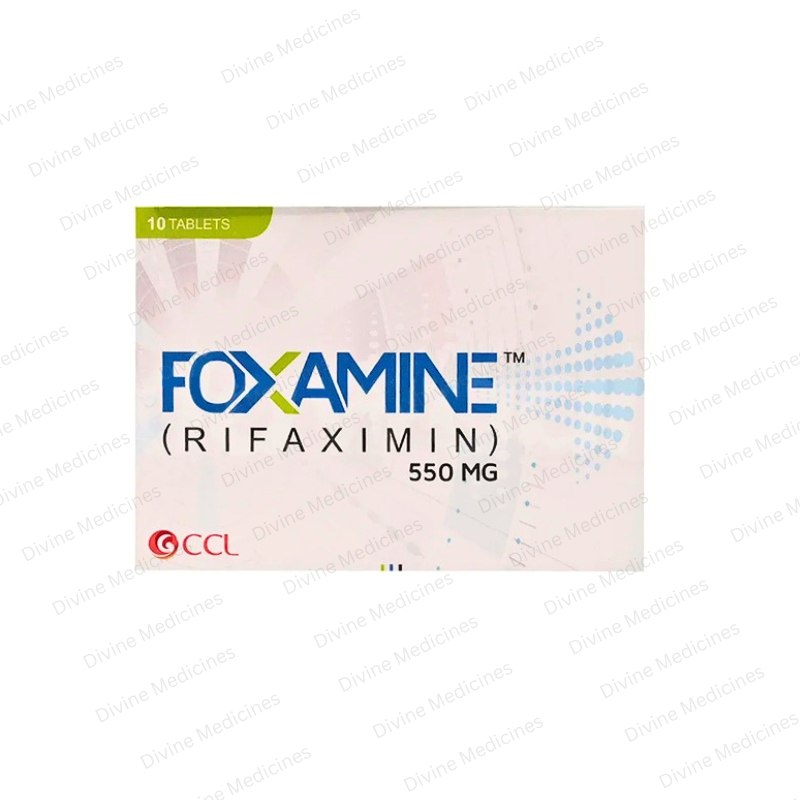
Foxamine (550mg) is an oral tablet containing Rifaximin, a gut-selective antibiotic used to manage a range of gastrointestinal and liver-related conditions. Each pack contains 10 tablets, offering a supply suited to the specific treatment course prescribed by a physician, which can vary considerably depending on the condition being treated. Rifaximin works differently from many conventional antibiotics in that it acts almost entirely within the gastrointestinal tract, with very limited absorption into the bloodstream, allowing it to target bacteria in the gut while minimizing systemic exposure. The 550mg strength is most commonly associated with the long-term management of hepatic encephalopathy, a complication of liver disease, though Rifaximin at various strengths is also used for other gut-related conditions. Foxamine is intended for use strictly under medical supervision, with the dose, frequency, and duration tailored to the specific condition being treated.
Ingredients
Each Foxamine (550mg) tablet contains Rifaximin as its active pharmaceutical ingredient, present at a strength of 550mg per tablet. Rifaximin works by binding to a specific component of bacterial machinery responsible for RNA production, interfering with the ability of susceptible bacteria to grow and multiply within the gastrointestinal tract. Because it targets a broad range of gut bacteria while remaining largely confined to the intestines, it is often described as a gut-selective or non-systemic antibiotic. Alongside the active ingredient, the tablet also contains standard pharmaceutical excipients such as binders, fillers, and film-coating agents that support the tablet’s structure, appearance, and shelf stability. The precise excipient composition may vary slightly by manufacturing batch, so patients with known sensitivities should check the package insert or consult their pharmacist.
Dosage Form
Foxamine is manufactured as a film-coated oral tablet, designed to be swallowed whole. Each box or strip typically contains 10 tablets. The tablet form allows for consistent, measured dosing and should not be crushed or chewed unless specifically advised by a healthcare provider, as this may affect how the medicine is absorbed.
Uses
Foxamine (550mg) is primarily prescribed for the reduction in risk of recurrence of hepatic encephalopathy, a condition involving confusion and altered mental function that can occur as a complication of liver disease, believed to be linked to toxins produced by gut bacteria. It may also be used, depending on the prescribing physician’s assessment, in the management of certain gastrointestinal conditions such as irritable bowel syndrome with diarrhea, where it is thought to help by targeting bacterial overgrowth or imbalance in the gut. Rifaximin at other strengths is also used for traveler’s diarrhea, though the 550mg strength is most closely associated with longer-term hepatic encephalopathy management. The exact condition being treated, and the appropriateness of Foxamine for an individual patient, is determined entirely by the prescribing physician.
How to Use
Foxamine should be taken strictly according to the dose and schedule prescribed by a physician, which can vary significantly depending on the condition being treated; for hepatic encephalopathy, it is commonly taken twice daily, with or without food. Tablets should be swallowed whole with a glass of water. It is important to complete the full course as prescribed and not to stop treatment early, even if symptoms appear to improve, since hepatic encephalopathy management is typically an ongoing, long-term therapy. Patients should not adjust the dose or frequency on their own and should follow up with their doctor as advised to monitor their condition.
Side Effects
Like all medications, Foxamine is generally well tolerated but may cause side effects in some individuals. Commonly reported effects include swelling in the hands, feet, or legs, nausea, dizziness, fatigue, and headache. Some patients may experience gastrointestinal symptoms such as abdominal discomfort or changes in bowel habits. Because Rifaximin acts within the gut, systemic side effects are generally less common than with many other antibiotics, though patients with significant liver impairment may be more sensitive to any effects that do occur and should be monitored closely by their doctor. As with other antibiotics, prolonged use may occasionally be associated with the development of antibiotic-resistant bacteria or secondary infections such as Clostridioides difficile-associated diarrhea, so any severe, persistent, or watery diarrhea during or after treatment should be reported to a doctor promptly. Any unusual or concerning symptoms should be discussed with a healthcare provider.
Pregnancy & Breastfeeding
The use of Foxamine during pregnancy should only be considered if the potential benefit is judged by a physician to outweigh the potential risk to the developing baby, and it should not be used during pregnancy without medical guidance. Whether Rifaximin passes into breast milk in significant amounts is not fully established, so breastfeeding mothers should discuss the potential risks and benefits with their doctor before use, who may weigh the importance of the medication against the option of temporarily discontinuing breastfeeding. This medication should never be self-prescribed or continued without ongoing medical supervision during these periods.
Storage Instructions
Foxamine tablets should be stored in a cool, dry place, away from direct sunlight and moisture, ideally at room temperature as indicated on the product packaging. Keep the medication in its original blister pack or container until it is time to take a dose, and ensure it is stored out of reach of children. Do not use the tablets beyond the expiry date printed on the packaging, and dispose of any expired or unused medication responsibly, following local pharmaceutical disposal guidelines.
FAQS
Can I take Foxamine without a prescription?
No, this is a prescription antibiotic and should only be used under the guidance of a qualified doctor, based on the specific condition being treated.
What is Foxamine mainly used for?
The 550mg strength is most commonly prescribed to help reduce the risk of recurrent episodes of hepatic encephalopathy, a complication of liver disease.
Is Foxamine a typical antibiotic that affects the whole body?
No, Rifaximin is largely non-absorbed and works mainly within the gastrointestinal tract, which is different from many conventional antibiotics that circulate throughout the body.
What should I do if I miss a dose?
Take the missed dose as soon as you remember, unless it is almost time for your next dose, in which case skip the missed dose; do not double up. Follow your doctor’s specific instructions.
Can Foxamine be used for traveler’s diarrhea?
Rifaximin is used for traveler’s diarrhea, though typically at a different strength and dosing schedule than the 550mg formulation, which is mainly used for hepatic encephalopathy; follow your doctor’s guidance for your specific condition.
Disclaimer
Always use this medicine strictly according to your doctor’s instructions and prescribed dosage.


Reviews
There are no reviews yet.