
Description
Description
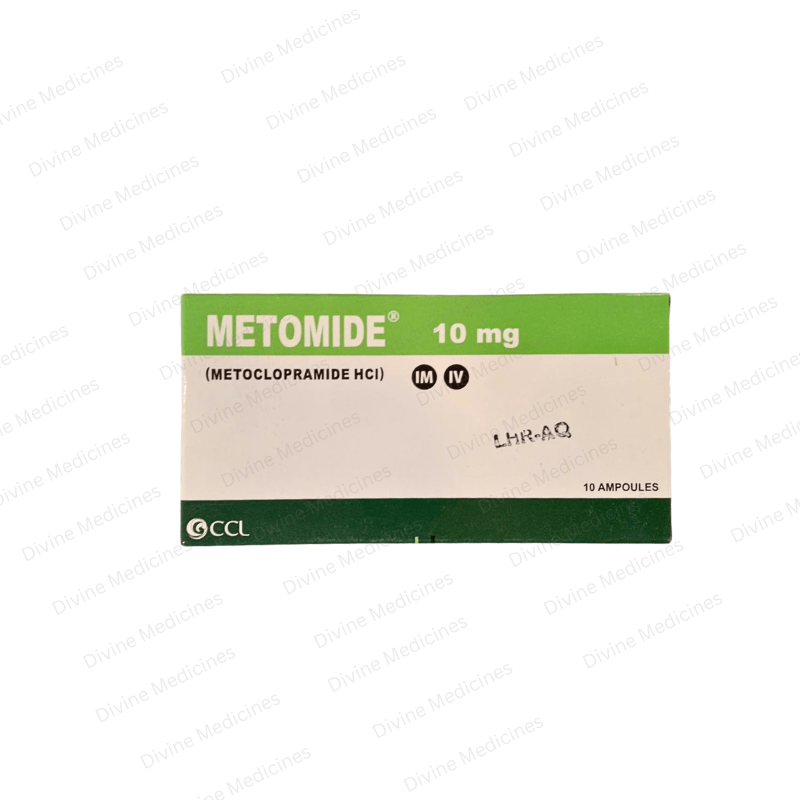
Metomide (10mg) 10 Ampoule Injections is an anti-emetic and gastrointestinal motility medicine containing Metoclopramide Hydrochloride as its active ingredient. It works by blocking dopamine receptors and improving the movement of the upper digestive tract, which helps relieve nausea and vomiting while also promoting faster gastric emptying. Metoclopramide increases the tone and strength of stomach contractions, relaxes the pyloric sphincter, and speeds up the passage of food through the stomach and small intestine. Metomide is commonly used in hospital and clinical settings, particularly for controlling nausea and vomiting related to specific medical conditions, treatments, or procedures.
Ingredients
Each 2ml ampoule of Metomide Injection contains Metoclopramide Hydrochloride equivalent to 10mg of Metoclopramide, along with water for injection and other excipients to maintain the stability and clarity of the solution.
Dosage Form
Metomide is supplied as a clear, colorless, sterile solution for injection, packaged in a box of 10 single-use 2ml ampoules, each containing a 10mg dose of Metoclopramide. It is intended for intravenous or intramuscular administration.
Uses
Metomide is used for the symptomatic relief of nausea and vomiting, including cases linked to acute migraine or diabetic gastric stasis, where stomach emptying is delayed. It is also used to prevent nausea and vomiting associated with chemotherapy and radiotherapy, as well as for the prevention and management of postoperative nausea and vomiting following surgical procedures. In some cases, it may also be used to help facilitate certain medical procedures involving the digestive tract, such as assisting with small bowel tube placement.
How to Use
Metomide is administered only by a doctor or trained healthcare professional, either as a slow intravenous injection given over at least a few minutes, or as an intramuscular injection, depending on the clinical situation. Treatment is generally limited to a short duration — typically not exceeding five days — due to the potential for side effects with prolonged use. Dosage depends on the patient’s age, weight, and the specific condition being treated, with children under one year of age generally excluded from this treatment. This medicine should never be self-administered.
Side Effects
Common side effects of Metomide may include drowsiness, restlessness, and fatigue. Some patients may experience gastrointestinal symptoms such as diarrhea, or mild effects like headache and dizziness. A more serious but less common concern with metoclopramide-based medicines is the risk of movement-related side effects, including uncontrolled muscle movements affecting the face, mouth, or limbs, particularly with prolonged or high-dose use. This risk is generally higher in older adults, especially women, and in individuals with diabetes, which is part of why treatment duration is kept short. Any unusual muscle movements or spasms should be reported to a doctor immediately.
Pregnancy & Breastfeeding
Metomide should only be used during pregnancy if a doctor determines that the potential benefits outweigh the possible risks, since its effects on the developing baby require careful clinical consideration. Metoclopramide is also known to pass into breast milk, so breastfeeding mothers should consult their doctor before using this medication to weigh the benefits against any potential effects on the nursing infant.
Storage Instructions
Store Metomide ampoules in a cool, dry place, protected from light, since the solution is sensitive to light exposure. Keep the ampoules in their original packaging until ready for use, and store them out of the reach of children. Each ampoule is intended for single use only, and any unused solution should be discarded rather than reused. Do not use the injection if the solution appears discolored or contains visible particles.
FAQs
What is Metomide mainly used for?
It is mainly used to relieve nausea and vomiting, including cases related to migraines, chemotherapy, radiotherapy, and surgery.
How long can Metomide be used for?
Treatment is generally limited to a maximum of five days due to the risk of side effects with prolonged use.
Is Metomide suitable for children?
It is generally not recommended for children under one year of age, and its use in older children should be carefully guided by a doctor.
What is the main risk associated with long-term use?
Prolonged or high-dose use carries a risk of movement-related side effects, so treatment duration is kept as short as possible.
Disclaimer
Always use this medicine strictly according to your doctor’s instructions and prescribed dosage.




Reviews
There are no reviews yet.