PHARMACIST-REVIEWED GUIDE · PAKISTAN
Normal, prediabetes and diabetes sugar ranges for fasting, random and after-meal tests, how to check at home correctly, and what to do for low sugar.
✓ Reviewed by Arhum Nadeem, Pharm-D · ✓ Sources listed · ✓ 3–4 hr delivery in Lahore
Medically reviewed by Arhum Nadeem, Pharm-D (8 years’ experience as a pharmacist) · Last reviewed: October 2026
Whether you have a glucometer at home or a lab report in your hand, the first question is the same: is this sugar level normal? This guide gives the ranges doctors use, explains the different types of test, and shows how to check your sugar correctly at home.
Key points
| Test | Normal | Prediabetes | Diabetes |
|---|---|---|---|
| Fasting (no food for at least 8 hours) | Below 100 | 100–125 | 126 or above (on two tests) |
| 2 hours after 75 g glucose drink (OGTT) | Below 140 | 140–199 | 200 or above |
| Random (any time) | Usually below 140 | 200 or above with symptoms of high sugar | |
| HbA1c | Below 5.7% | 5.7–6.4% | 6.5% or above |
These are the diagnostic ranges used by the American Diabetes Association and most doctors in Pakistan. A single high reading from a home glucometer does not diagnose diabetes; a lab test is needed.
General targets (your doctor may set different ones for you):
| Target | |
|---|---|
| Before meals | 80–130 mg/dL |
| 1–2 hours after starting a meal | Below 180 mg/dL |
| HbA1c | Below 7% for many adults |
Older adults and people prone to low sugar often have more relaxed targets. Read our HbA1c guide to understand how daily readings relate to your three-month average.
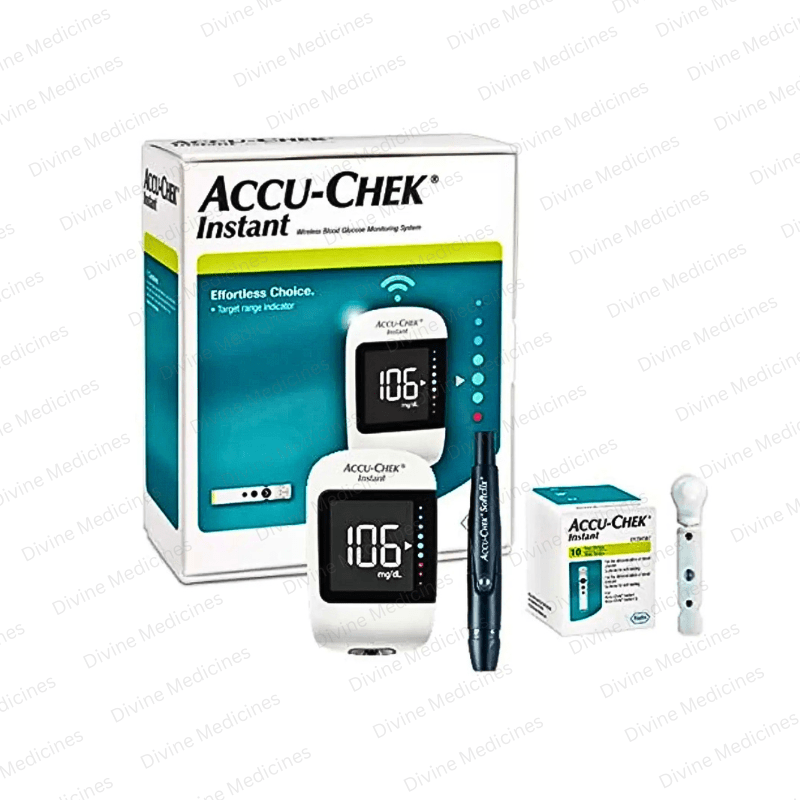
Fasting means first thing in the morning, before breakfast or tea, at least 8 hours after the last meal. After meals means 2 hours from the first bite. Our glucometer guide compares meters and the real cost per strip.
A reading below 70 mg/dL is low. It mainly affects people on insulin or certain diabetes tablets (such as gliclazide or glimepiride).
Signs: shaking, sweating, fast heartbeat, hunger, dizziness, confusion, irritability, blurred vision.
If the person is drowsy, confused or cannot swallow safely, do not give food or drink by mouth; call 1122.
Pregnancy uses tighter targets, and gestational diabetes is diagnosed with a glucose tolerance test, usually at 24 to 28 weeks. Your doctor will give you the ranges to aim for.
Is 140 mg/dL after eating normal? Two hours after a meal, below 140 is normal for someone without diabetes. One hour after eating, readings can briefly be higher.
Should I check sugar before or after tea? For a fasting reading, check before tea or anything else. Tea with sugar or milk counts as food.
What time is best for fasting sugar? First thing in the morning, after 8 to 12 hours without food.
Can stress or illness raise sugar? Yes. Infections, fever, pain, stress and some medicines such as steroids can raise blood sugar temporarily.
This guide is for general information and does not replace advice from your doctor. Always follow your doctor’s directions and the medicine’s pack leaflet.

Your trusted destination for medicines and healthcare essentials, with convenient online ordering and doorstep delivery across Lahore.
Welcome Back 👋
Sign in to access your account and continue where you left off.
Welcome To Divine Medicines🚀
Create your account to access everything you need.
 Your cart is empty
 |
 |
 |

Questions & Comments
Have a question about this article? Ask below and our team will reply.
No comments yet. Be the first to ask a question.