PHARMACIST-REVIEWED GUIDE · PAKISTAN
Kidney stone symptoms, the chance a stone passes by size, treatments explained in plain words, and how to stop stones coming back.
✓ Reviewed by Arhum Nadeem, Pharm-D · ✓ Sources listed · ✓ 3–4 hr delivery in Lahore
Medically reviewed by Arhum Nadeem, Pharm-D (8 years’ experience as a pharmacist) · Last reviewed: October 2026
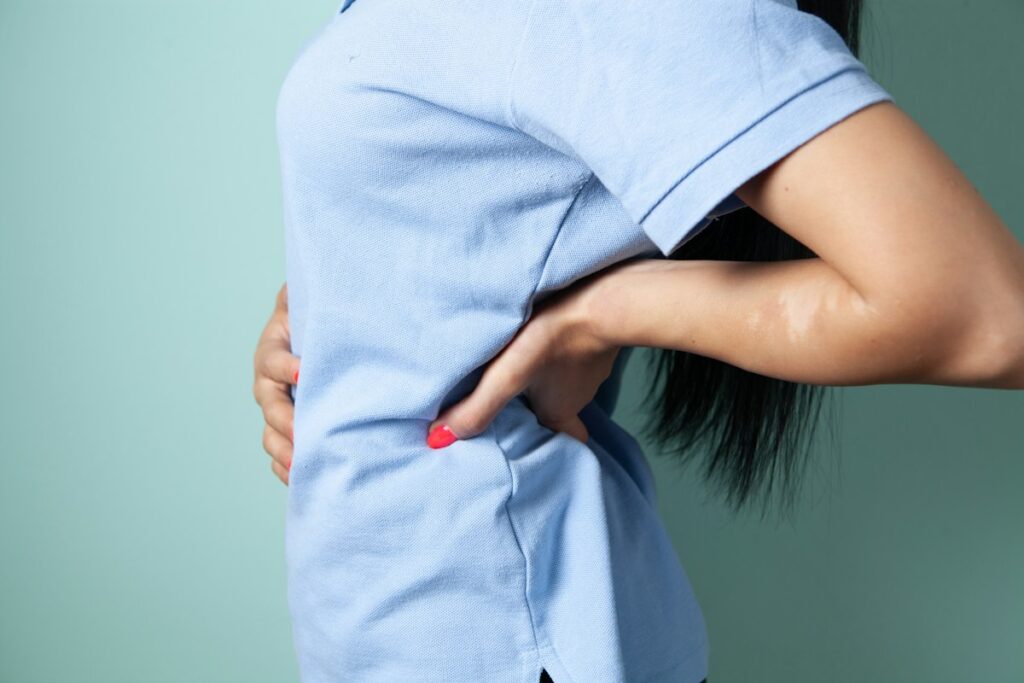
Lahore’s long hot summers, sweating and not drinking enough water make kidney stones (gurday ki pathri) very common. The pain can be severe, but most small stones pass on their own. This guide explains the symptoms, what the size of your stone means, the treatments available and how to prevent the next one.
Key points
Stones form when minerals in the urine (most often calcium oxalate, sometimes uric acid) crystallise and clump together. They can stay in the kidney without symptoms, or move into the ureter, the narrow tube to the bladder, which is when pain starts.
Stone size, measured in millimetres on your ultrasound or CT report, is the main guide.
| Stone size | Chance of passing without a procedure | Usual approach |
|---|---|---|
| Up to 4 mm | High, most pass within a few weeks | Fluids, pain relief, wait |
| 5 to 7 mm | Moderate | Medicine to relax the ureter may be given; review if not passed |
| 8 to 10 mm | Lower | Often needs a procedure |
| Over 10 mm | Low | Procedure usually needed |
Position matters too: stones near the bladder pass more easily than those higher up.
Your doctor may give:
Strain your urine through a tea strainer if you can; a caught stone can be sent for analysis to guide prevention.
About half of people who have one stone get another within 10 years. These steps reduce the risk:
How much water should I drink? Enough to keep your urine pale throughout the day; for most adults in Pakistan’s climate that is around 3 litres, more in summer or with physical work.
Does beer or cola help pass stones? No. Cola contains phosphoric acid that may increase stone risk, and alcohol dehydrates you.
Can stones come back? Yes, which is why prevention matters. A stone analysis and a 24-hour urine test can show why you form stones.
Can I take painkillers myself while waiting? Paracetamol at the normal dose is generally safe. Use anti-inflammatory painkillers only if they are safe for you and your doctor agrees.
This guide is for general information and does not replace advice from your doctor. Always follow your doctor’s directions and the medicine’s pack leaflet.

Your trusted destination for medicines and healthcare essentials, with convenient online ordering and doorstep delivery across Lahore.
Welcome Back 👋
Sign in to access your account and continue where you left off.
Welcome To Divine Medicines🚀
Create your account to access everything you need.
 Your cart is empty
 |
 |
 |

Questions & Comments
Have a question about this article? Ask below and our team will reply.
No comments yet. Be the first to ask a question.